
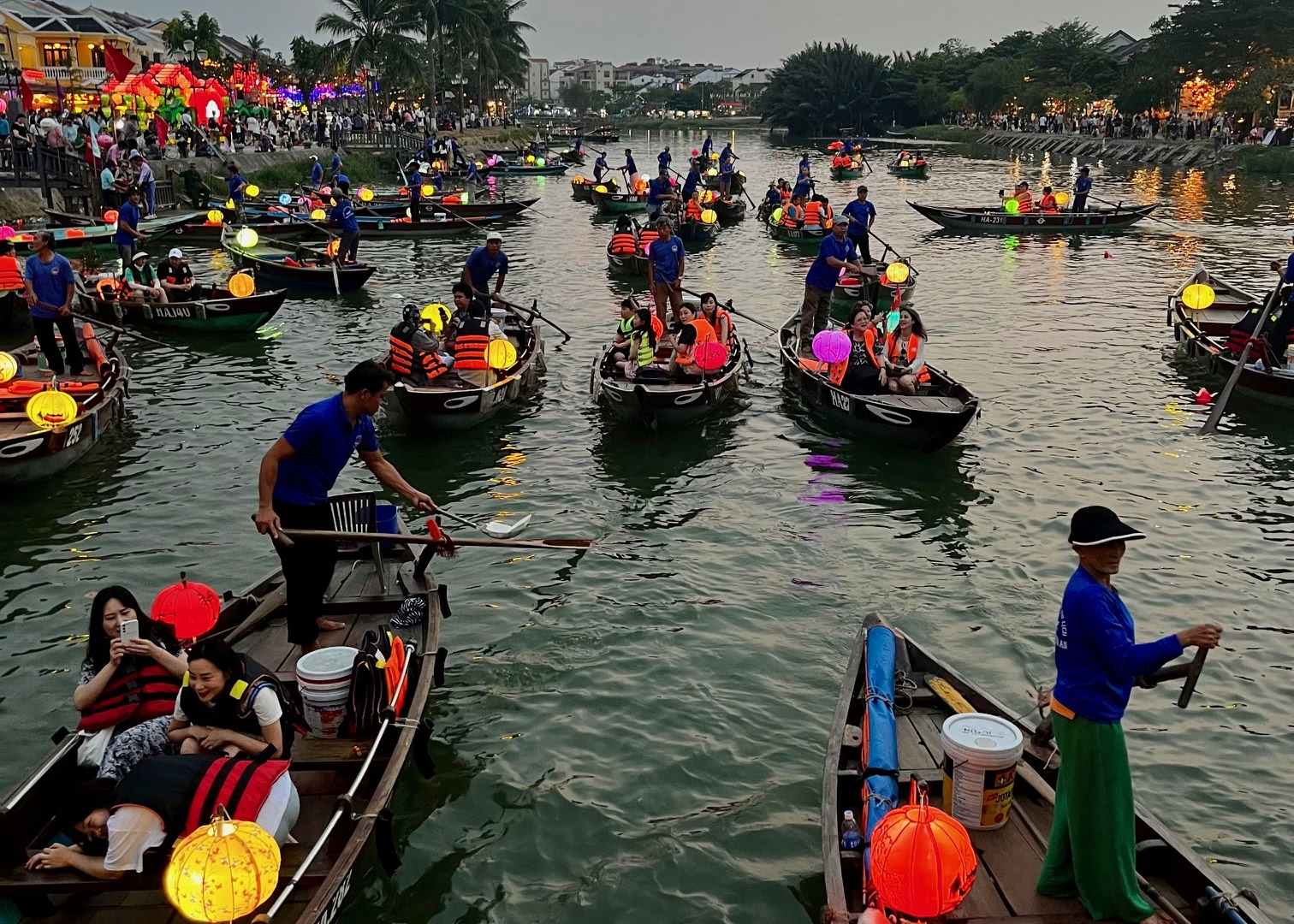
4 Week Vietnam Itinerary: Laid-Back Adventures on a Budget
Planning the perfect 4 week Vietnam itinerary can feel overwhelming – the country is packed with history, hidden gems, and unforgettable adventures.
After spending a full month traveling from Hanoi to Ho Chi Minh City, we crafted a route that balances cultural immersion, scenic escapes, and a few well-earned lazy mornings.
We’re slow-budget travelers who prefer sunrise over nightclubs and food stalls over fancy restaurants. Our itinerary focuses on cultural immersion, adventure, and meaningful downtime (and yes, plenty of street beer in Hanoi).
Whether you’re gearing up for your first trip to Vietnam or trying to fine-tune your route, this guide is based on our real experiences – what we loved, what we’d skip, and the lessons we learned along the way.
Below, you’ll find exactly where we went each day, how we got around, what we spent, what we packed, and our most honest advice after 30 days on the road.
DISCLOSURE: This post may contain affiliate links, which means we may earn a small commission if you book or buy something through them – at no extra cost to you. We only recommend things we’d actually use ourselves. Read more in our Privacy Policy.
When to Visit Vietnam for the Best Weather & Fewer Crowds
The best time to visit Vietnam depends on which region you’re exploring, but generally, March to April and September to November are ideal.
These months offer decent weather throughout most of the country, from the cool mountains in the north to the sunny beaches in the south.
If you’re like us and prefer avoiding tourist crowds while still enjoying good weather, aim for the shoulder seasons in spring or fall.
We visited in April and found the weather hot but not terrible.
If you’re planning on doing the Ha Giang Loop or spending time in Sapa, aim for the Spring as you never know when the snow and cold weather will hit in Northern Vietnam!
Planning Your 4 Week Vietnam Itinerary: What to Expect
- Day 1-5 Hanoi
- Day 5-10 Sapa
- Day 10-13 Cat Ba Island
- Day 13-16 Ninh Binh
- Day 16-20 Phong Nha
- Day 20-22 Hue
- Day 22-24 Da Nang
- Day 24-27 Hoi An
- Day 27-30 Ho Chi Minh City
👉 Still deciding where to begin your Vietnam trip? Our breakdown of Hanoi vs Ho Chi Minh City will help you choose the right vibe, weather, and route flow.
Our Tried-and-Tested 4 Week Vietnam Itinerary
Before we jump into our Vietnam itinerary, there are a few things to note:
- The itinerary is ideal for first-timers who want a mix of iconic sights and a bit of adventure without venturing TOO far off the beaten path.
- We recommend staying at least two nights in most places to avoid travel burnout; 30 days is a long trip, and city-hopping daily means missing out on so much.
- We traveled from north to south because it worked best logistically coming from Thailand, but you can easily reverse the route.
- This itinerary skips the Ha Giang Loop as it just wasn’t the right fit for us on this trip.
Without further ado, here’s what we think is the perfect itinerary for one month in Vietnam!
🧭 New to Vietnam? Discover the best destinations for first-time visitors — from north to south!
Days 1–5: Hanoi – Street Food and Delightful Chaos
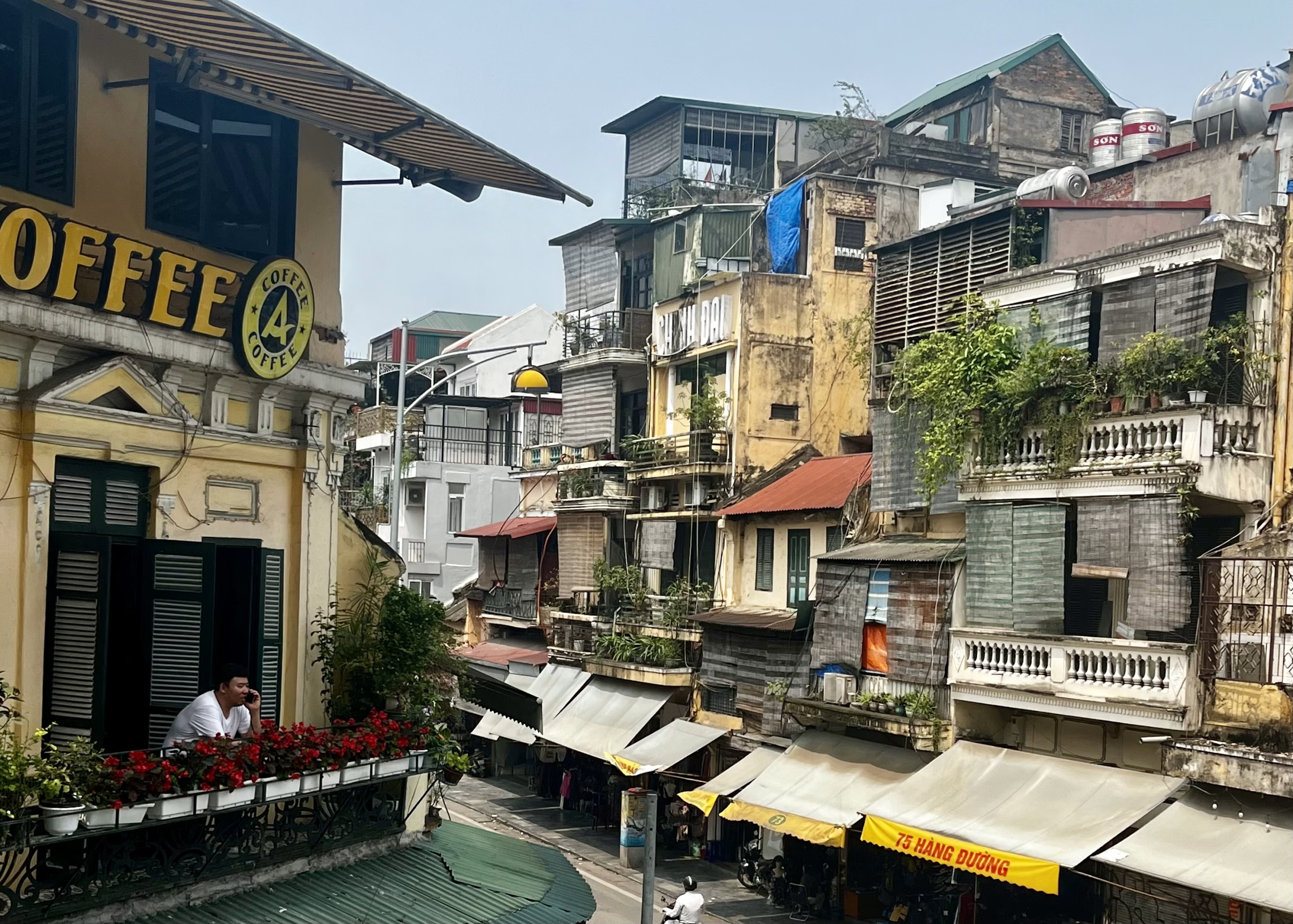
Spend three full days soaking in your first stop in Vietnam, getting oriented, and experiencing all Hanoi has to offer. It was one of our absolute favorite stops during our four-month trip.
Despite its popularity with tourists, Hanoi still feels authentically “lived in,” even in the bustling Old Quarter.
There’s so much local and international history here, along with incredible food and an overall electric energy.
We loved the organized chaos of Hanoi and hope you will too! Our full guide to Hanoi covers everything to do in depth plus where to chill if you need a break from the busy streets.
If we were to change one thing about our time in Hanoi, we would have booked a food tour early in our trip.
We LOVED the food in Hanoi, and knowing what to pick from the start would have been so helpful!
Next time we visit, we plan on booking this food tour.
Where to Stay: Hanoi City Backpackers Hostel
🌿 See why travelers love staying here – and what’s still availableWhere to Eat: Bun Cha Dac Kim
Top Things to Do: Visit Train Street, take a walking tour, & coffee shop hop (find the best coffee in Vietnam to try here)
Days 5–10: Sapa – Memorable Cultural Moments
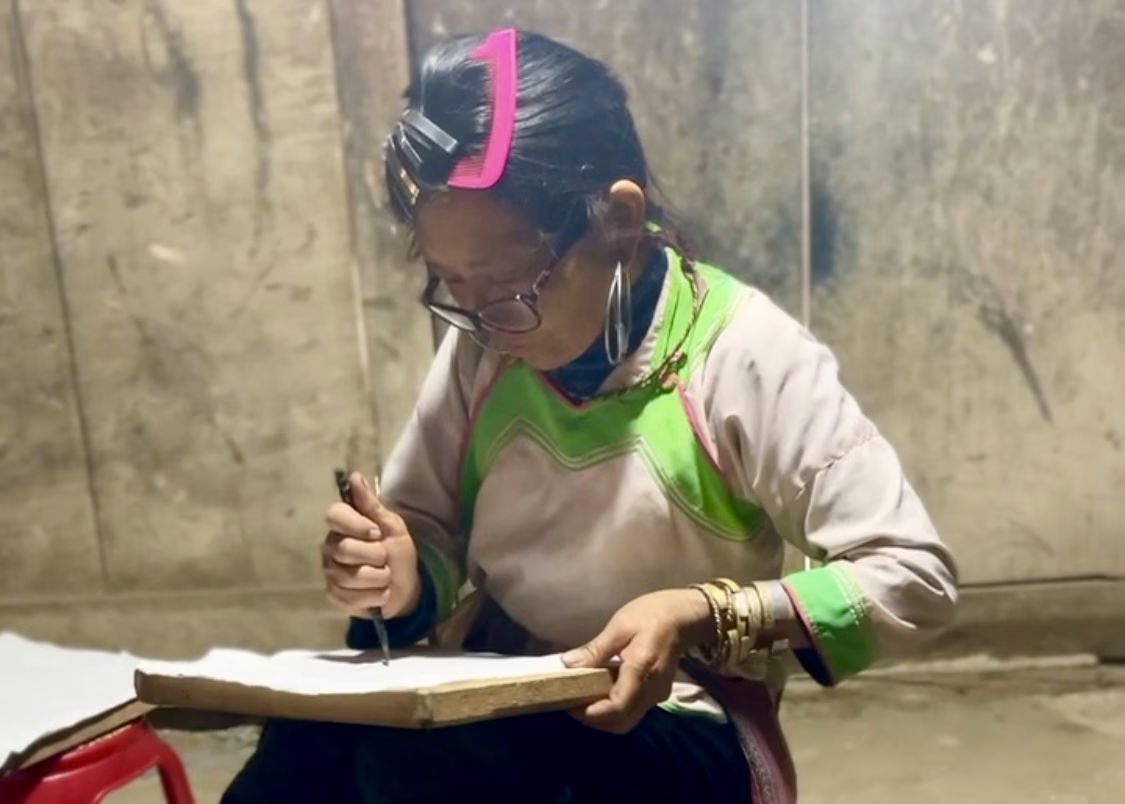
Sapa offers a unique chance to experience life in the ethnic minority villages of Northern Vietnam and take in stunning trekking routes.
Five nights may seem long for Sapa, but this includes one day exploring Sapa town and two full days in a mountain village plus your travel days.
We loved hanging out at our mountain homestay, enjoying traditional meals, and chatting with fellow travelers.
One highlight was a handicraft workshop where we dyed our own indigo batik in a local’s home – a truly memorable experience.
💙 You can book the same experience here. We still tell everyone about it and our final product is framed in our flat.
Trust us, you won’t regret spending extra time in Sapa. We met so many travelers who ended up extending their stays here!
Where to Stay: NiNi Homestay in Sapa Town and Mekhoo & Zizi Sapa Homestay in the village
Where to Eat: Little Vietnam Restaurant
Top Things to Do: Fansipan cable car, indigo dying workshop, sustainable trekking with local women, & relax at your homestay
Days 10–13: Cat Ba Island – Boats, Scenery, and Avoiding the Crowds

It’s time for one of Vietnam’s most iconic experiences – Ha Long Bay – but with a more sustainable and budget-friendly twist.
Cat Ba Island offers the same breathtaking scenery with fewer crowds and lower costs compared to Ha Long Bay cruises.
We booked a cruise in person with Cat Ba Vision and they were fantastic – great communication, an amazing catered lunch, and they even helped us book onward tickets to Ninh Binh.
Spend one day exploring the island and another day cruising, or opt for an overnight cruise and spend your two days here on the water.
While there are cute cafes, restaurants, and a few good hikes, the real highlight here is the Ha Long (or Long Ha) Bay cruise.
Where to Stay: Cat Ba Green Hotel
🌏 Check if your travel dates are still open hereWhere to Eat: Viet Hai Restaurant for local food & Secret Garden Restaurant for Western food
Top Things to Do: Kayak with glowing plankton, hike in Cat Ba National Park, cruise through iconic Lan Ha (Ha Long) Bay
Days 13–16: Ninh Binh – Our Favorite Scenic Stop in Vietnam

Ninh Binh, often referred to as “inland Ha Long Bay,” has so much to offer.
Spend your days cycling through rice fields, enjoying the amazing restaurants in Tam Coc, climbing to viewpoints, and cruising along the stunning Trang An river.
The area’s natural beauty is breathtaking, and we loved taking time to both explore the sights and relax in charming coffee shops.
If you’re heading south, buses typically leave late in the evening, so you’ll have nearly a full third day here before departing.
Where to Stay: Tam Coc Lotus Flower Homestay
📍 Click here to view rates, photos, and available datesWhere to Eat: Father Cooking Restaurant
Top Things to Do: Cycle around rice fields, cruise down the Trang An River, & hike up to Mua Cave viewpoint
Days 16–20: Phong Nha – River Swimming and Cave Exploration
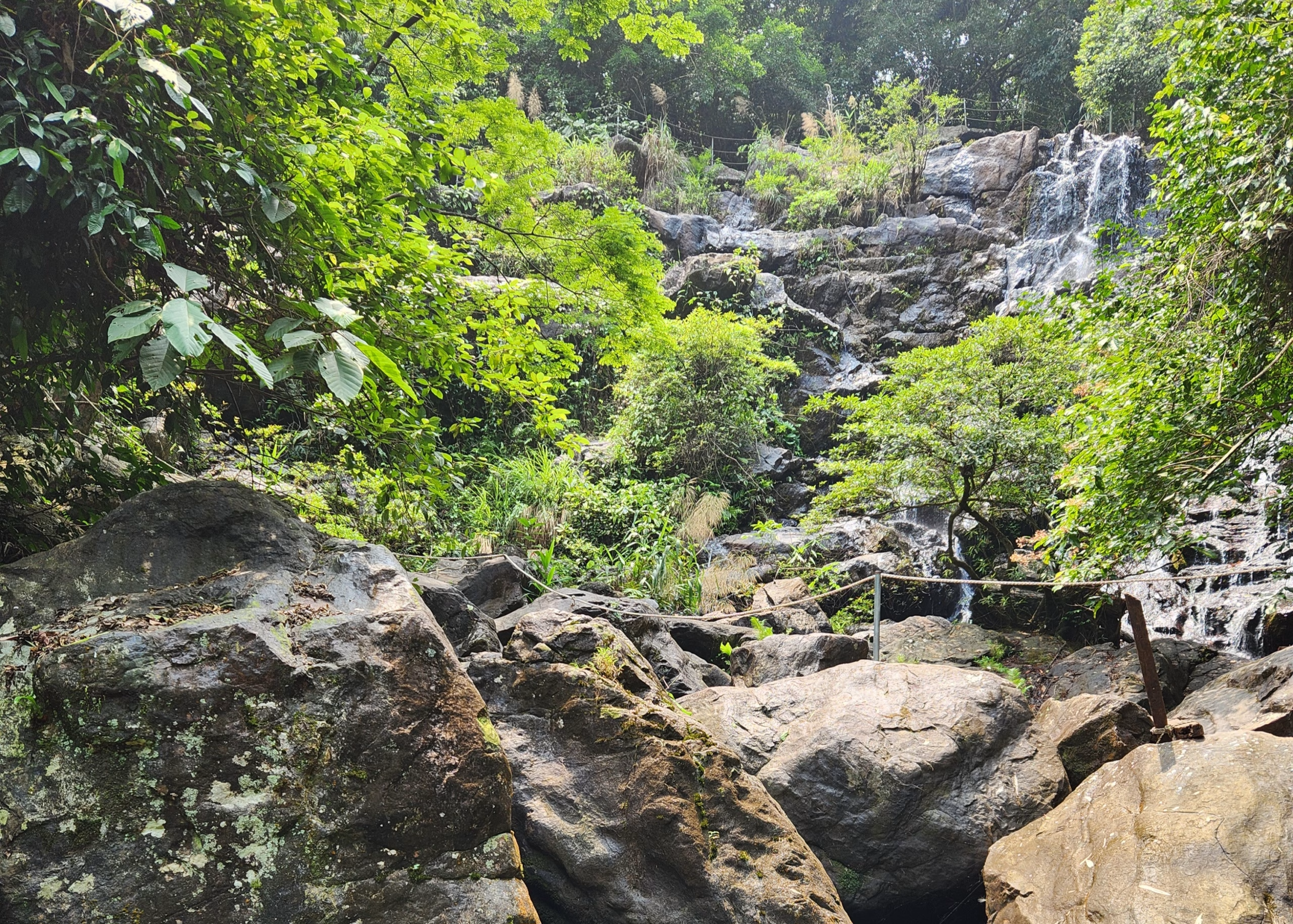
Phong Nha may feel small, but the surrounding Phong Nha-Ke Bang National Park is anything but!
We originally didn’t plan to stop here but changed our itinerary after another traveler’s recommendation – and we’re so glad we did.
With an extended stay, you’ll have time for two days exploring the incredible caves and National Park, plus a day to relax at your accommodation, in town, or swimming in the river.
Cruising through the National Park with its jaw-dropping scenery was a major “pinch-me” moment, and we saw almost no one else on the road!
Where to Stay: Little Rock Homestay
🎒 Check availability and lock in your room todayWhere to Eat: Bamboo Chopsticks Restaurant & Cháo Sáng Toàn Huế
Top Things to Do: Motorbike around the national park + the Phong Nha Botanic Garden, swim in the river, & explore the many caves
👇 Read More About Phong Nha Here 👇
Days 20–22: Hue – Food Fit for a Royal
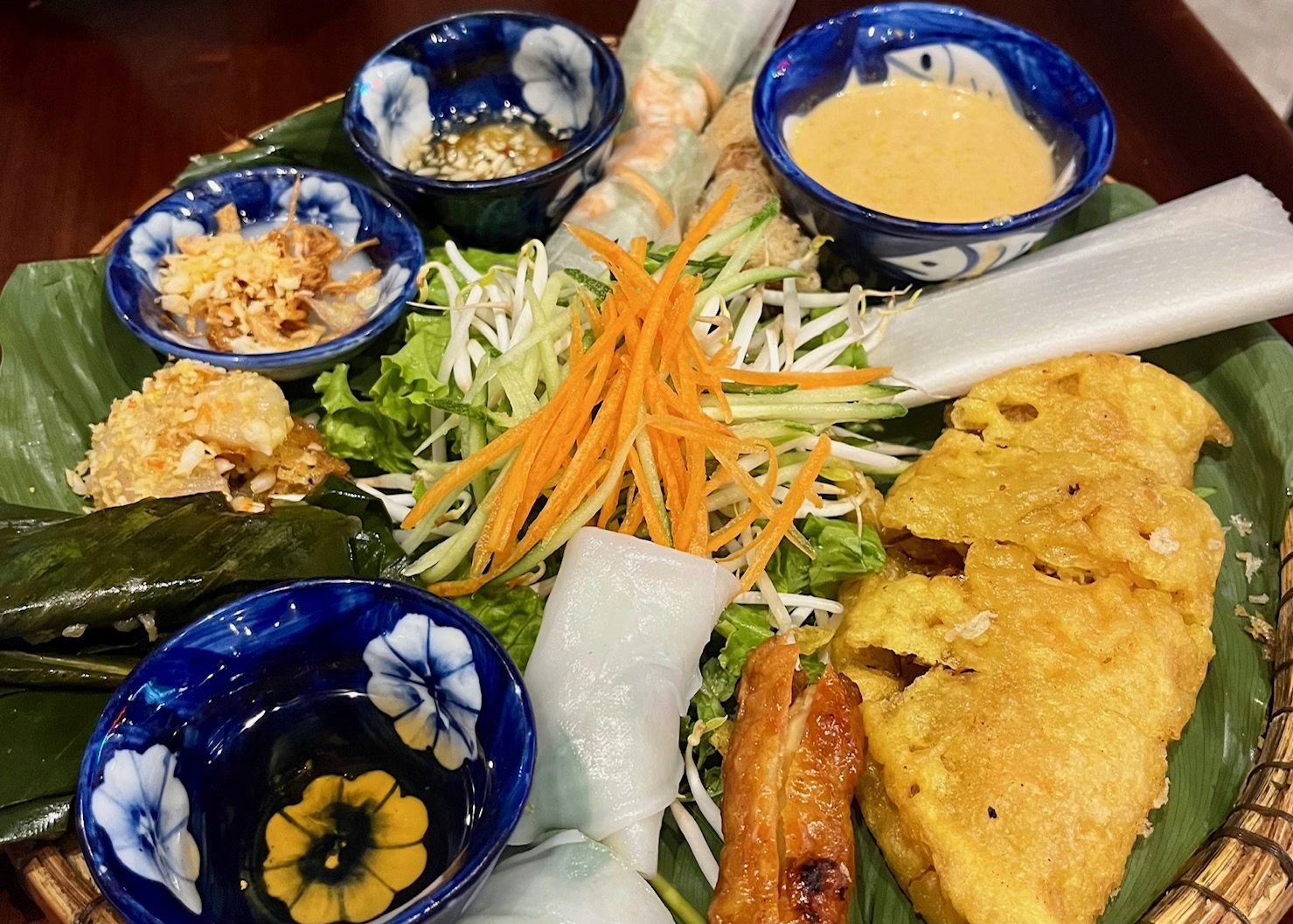
We accidentally stayed too long up north (oops) and had less than 24 hours in Hue.
SIDE NOTE: A definite pro of traveling North to South is the ability to spend more time up North if you choose!
We debated skipping Hue entirely, but the long journey from Phong Nha to Da Nang made Hue a convenient stop.
Plus, the city is known for its incredible food, so we broke our “no one-night stays” rule for a quick visit.
Hue is Vietnam’s former imperial capital, and still holds the history of the foods served to the royal family.
Learn from us – stay two nights here! There’s rich history to explore and so much delicious food to try. We had one of our all-time favorite meals here just by chance!
Where to Stay: Lama Homestay
🕶️ Find your travel dates and see what’s left to bookWhere to Eat: Madam Thu Restaurant – Taste of Hue – Order the sampler plate to try a bit of everything!
Top Things to Do: Eat!!, make pottery at Hope Center Hue, & wander around Dong Ba Market
👇 Ha Giang Loop Alternative 👇
🛵 If you’re looking for another motorbike adventure, booking an easy rider for the Hai Van Pass to travel from Hue to Da Nang is an incredible trip.
🏍 You cruise along the coast, stopping at lagoons, waterfalls, beaches, and mountain passes. The ride costs about $65 USD on average, and is a great shorter (and safer!) alternative to the Ha Giang Loop.
Days 22–24: Da Nang – A Quick Beach Getaway Before Hoi An
Spend a day and a half relaxing on Da Nang’s beautiful beaches, some of the best in Vietnam. My Khe Beach and Non Nuoc Beach are two of the most popular spots.
If you’ve seen the famous giant hands in Vietnam and are dying to visit – this is the place to do it! The Golden Bridge in Ba Na Hills is in the Marble Mountains, which are located just outside of Da Nang.
Backpackers on a budget will also appreciate the affordable accommodations and food here, making it a great spot to recharge before diving back into cities.
Where to Stay: Star Hotel Da Nang
✅ Check Availability HereWhere to Eat: Mì Quảng Bà Vị
Top Things to Do: Relax on the beach, visit the giant hands, & see Linh Ung Pagoda
Days 24–27: Hoi An – Lanterns, Tailors and A Must-Visit Restaurant
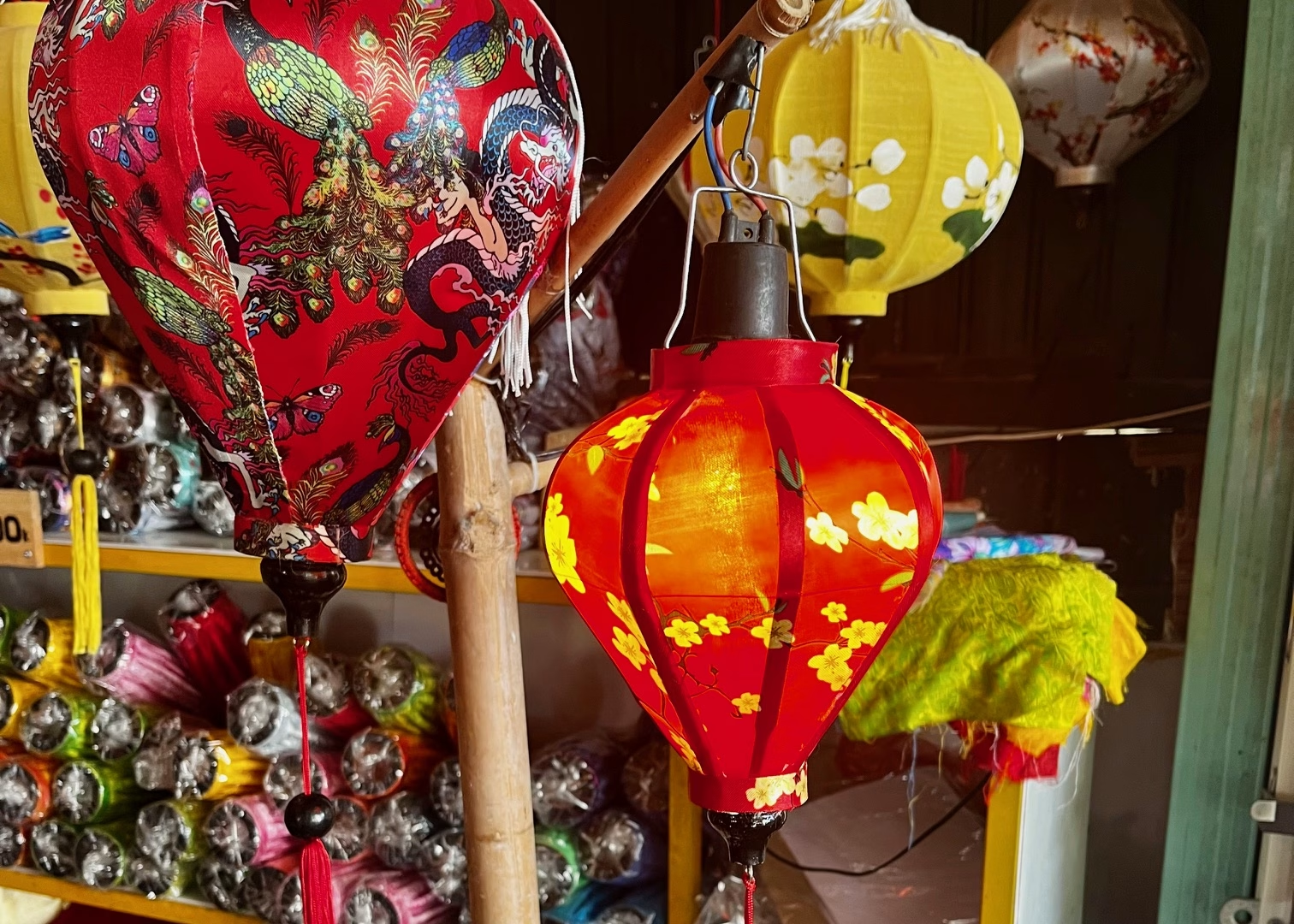
Hoi An can feel overwhelming if you try to rush through, but it’s wonderful when enjoyed at a slower pace. Despite its touristy reputation, the city still feels authentic, with locals living and working alongside visitors.
The Ancient Town is chaotic but worth braving to see historic temples and colorful lanterns.
Another must-do is getting custom clothing made – a quintessential Hoi An experience. Stay at least three days to allow time for fittings and ensure the best results while respecting the tailors.
Where to Stay: Okra Hoian Homestay (Hostel) or Kaia Gallery Hotel (Boutique Stay)
Where to Eat: Nữ Eatery (Vietnamese-French fusion)
Top Things to Do: Take a lantern making class, explore the ancient town, & bike to the beach and through the villages around Hoi An
👇 Read More About Hoi An Here 👇
Days 27–30: Ho Chi Minh City – An Unpopular Opinion

As we traveled south, many people told us Ho Chi Minh City was their least favorite stop and to spend as little time there as possible.
We couldn’t disagree more. While it doesn’t have the small-town charm of other spots, it’s a vibrant city with plenty to offer. We loved exploring its museums, river walks, and bustling markets.
This is a reminder to always form your own travel opinions – different places resonate with different people, and that’s okay!
Where to Stay: Laca Hostel
🛎️ Peek inside the rooms and book your stay instantlyWhere to Eat: Bep Me In
Top Things to Do: Visit the War Remnants Museum, watch a traditional water puppet performance, & have some drinks at a rooftop bar
👇 Read More About Ho Chi Minh Here 👇
How to Travel Around Vietnam: What We Took (and What We Wish We Didn’t)
The best way to travel around Vietnam is by combining buses and trains.
Buses – Our Best Piece of Travel Advice
The night buses in Vietnam are iconic and an essential part of the Vietnam backpacking experience.
You can reach almost anywhere – especially on the tourist trail – by bus, making it the most budget-friendly option.
TOP TIP: Spend the extra few dollars to book VIP buses instead of local ones. VIP buses offer much more space, better amenities, and fewer people sprawled out on the floor.
🚍 For booking buses, we recommend using 12Go. Their VIP bus services are reliable, comfortable, and affordable.
Trains – Always Worth Booking Early
Train travel in Vietnam can also be a convenient option, depending on your route. However, many train stations are located far from city centers or in nearby towns, which can make this mode of transport less practical.
The only train we took was from Da Nang to Ho Chi Minh City – a 20-hour (!!) journey. While it was the most convenient option for that leg of the trip, we’re not sure we’d do it again.
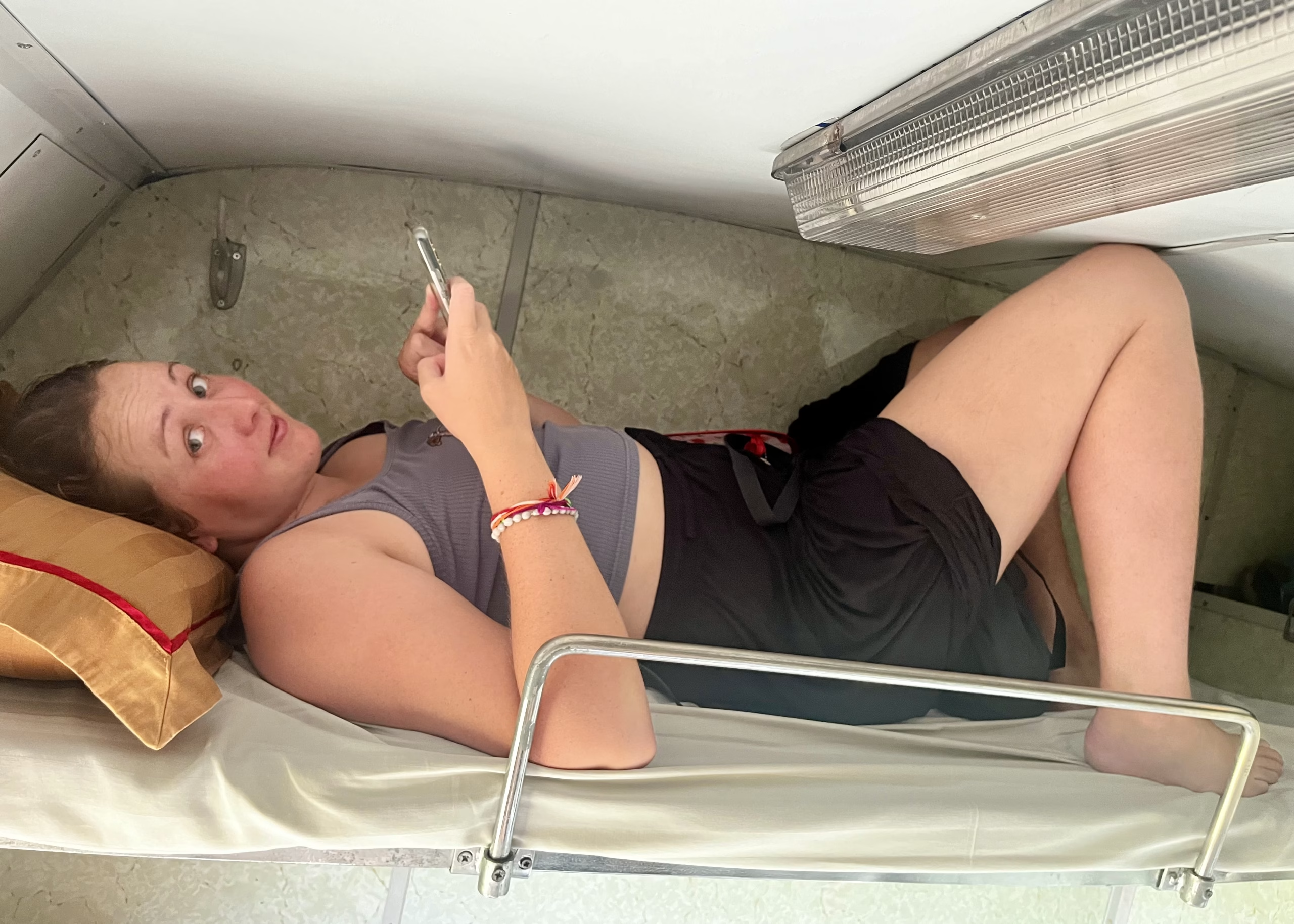
Overall, we found bus travel to be more predictable, with periodic food stops and more space on the sleeping beds compared to the train.
While the train did offer food on board, it came by quickly and at unpredictable times, so if you were asleep or on the top bunk (like us), you might miss it.
🚌 Read our extensive guides on Sleeper Buses and Sleeper Trains in Vietnam. 🚆
Our Vietnam Budget for 1 Month: What We Spent and Surprising Costs
Over one month in Vietnam, we spent a total of 43,842,000 Vietnamese Dong (VND). This is equivalent to $1726 USD (for 2 people).
This is for the two of us and works out at roughly $30 USD per person per day.
Below, we have created a table to show you all of our expenses over the entire month in Vietnam so you’ll have an idea of how much to budget.
| Total Cost for 2 People (VND) | Total Cost Per Person (USD) | Daily Cost Per Person (USD) | |
| Daily Spends* | 12,800,000 | $252 | $9 |
| Accommodation | 11,784,000 | $232 | $8 |
| Transit | 7,711,00 | $152 | $5 |
| Excursions | 11,547,000 | $227 | $8 |
| TOTAL | 43,842,000 | $863 | $30 |
*Daily spends includes food, drinks, toiletries, laundry, medicine etc
In addition to this, Julia’s tourist visa cost $25 USD. Since Jess is British, there was no visa required for Vietnam for stays up to 45 days.
What We Packed for 4 Weeks in Vietnam
The most important thing to pack for Vietnam is clothes that keep you cool. Loose t-shirts, light overshirts, and flowy pants are the classic options.
We also recommend a scarf to cover your shoulders and a good pair of shoes to climb to viewpoints and trek.
Vietnam Travel FAQs – Based on 30 Days Exploring the Country
Should You Travel North to South or South to North? Our Honest Take
This really depends on your preferences and logistics!
We traveled north to south because it worked best for us after coming from Thailand, but many people we met recommended going south to north.
Their reasoning was that the natural beauty and cultural experiences seem to get better as you head north.
In our opinion, both directions are equally rewarding, and your experience will depend more on the time you spend in each destination and what you want to see.
If you’re starting in Ho Chi Minh City (south), you’ll dive right into Vietnam’s urban end, while starting in Hanoi (north) immerses you in the country’s historic charm right away.
When is Rainy Season in Vietnam?
Vietnam’s rainy season varies by region, so it’s important to plan accordingly:
Northern Vietnam: The rainy season typically lasts from May to September, with July and August being the wettest months. Expect heavy downpours and occasional flooding in the mountains.
Central Vietnam: Rainy season usually occurs between September and December, with October and November bringing the most rain, especially in areas like Hoi An and Hue.
Southern Vietnam: The wet season runs from May to November, with the heaviest rainfall from June to August. However, showers are often brief and followed by sunshine.
Rainy season doesn’t mean you can’t travel – it just requires flexibility and a good rain jacket. Another reason we recommend staying for multiple days in each stop!
Is it worth spending less than one month in Vietnam?
Of course! You can easily visit less places in Vietnam and still have an amazing trip.
If we were to spend two weeks traveling in Vietnam, this is where we would go an what we would do.
Where Should I Go After Vietnam?
If you’re backpacking, Vietnam is perfectly located to explore some neighboring countries in Southeast Asia.
Here are some great options we’ve written about:
Cambodia: Head to Phnom Penh or Siem Reap to explore Cambodia’s rich history, including the iconic Angkor Wat. The most convenient border crossing is via bus from Ho Chi Minh City to Phnom Penh.
Laos: Travel to Laos for serene landscapes and off-the-beaten-path adventures. The bus from Hanoi to Vientiane is a popular route, though it’s a long journey.
Thailand: Many travelers head back to Thailand after Vietnam. You can take a flight from major cities like Ho Chi Minh City or Hanoi, or cross overland via Cambodia.
If you’re considering a new region, flights from Vietnam are often affordable. Look into budget airlines like AirAsia or VietJet for connections to destinations across Asia, such as Malaysia, Indonesia, or even Japan.
