
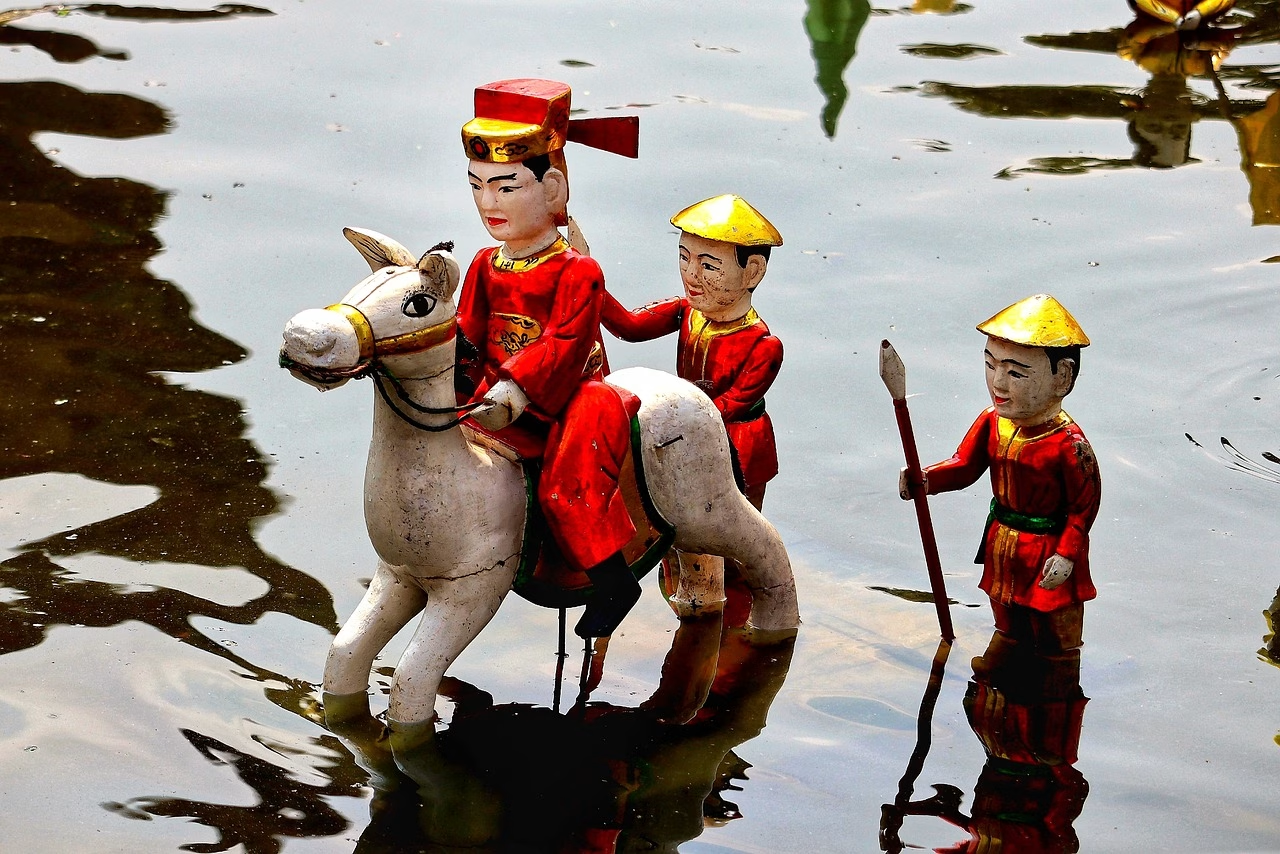
North Vietnam Itinerary: 2 Weeks in Hanoi, Sapa, Cat Ba & Ninh Binh
Northern Vietnam is where misty mountains, emerald rice terraces, and ancient traditions meet. Two weeks here gives you just enough time to experience it all without rushing.
After exploring this region for nearly a month, we created a North Vietnam itinerary that blends adventure, culture, and relaxation.
From trekking in Sapa and cruising through Lan Ha Bay to cycling past limestone peaks in Ninh Binh, you’ll experience it all.
Each destination on this route was chosen for its authenticity and slower pace, helping you connect with local life rather than just checking off landmarks.
If you’re craving a mix of scenery, culture, and meaningful travel experiences, this North Vietnam itinerary is the perfect way to spend two unforgettable weeks in the north.
📌 Short on time? If there’s one thing you do in North Vietnam, make it this kayak tour from Cat Ba Island – you’ll see bio-luminescent plankton!!
DISCLOSURE: This post may contain affiliate links, which means we may earn a small commission if you book or buy something through them – at no extra cost to you. We only recommend things we’d actually use ourselves. Read more in our Privacy Policy.
A Brief Overview of Our North Vietnam
Here’s everywhere this tried-and-tested North Vietnam itinerary will take you:
- Days 1- 3: Embrace the chaos of Hanoi
- Days 4–8: Marvel at the rolling rice terraces in Sapa
- Days 9–11: Go on a budget cruise around Lan Ha Bay from Cat Ba Island
- Days 12–14: Experience the other-worldly Ninh Binh
Our Detailed North Vietnam Itinerary
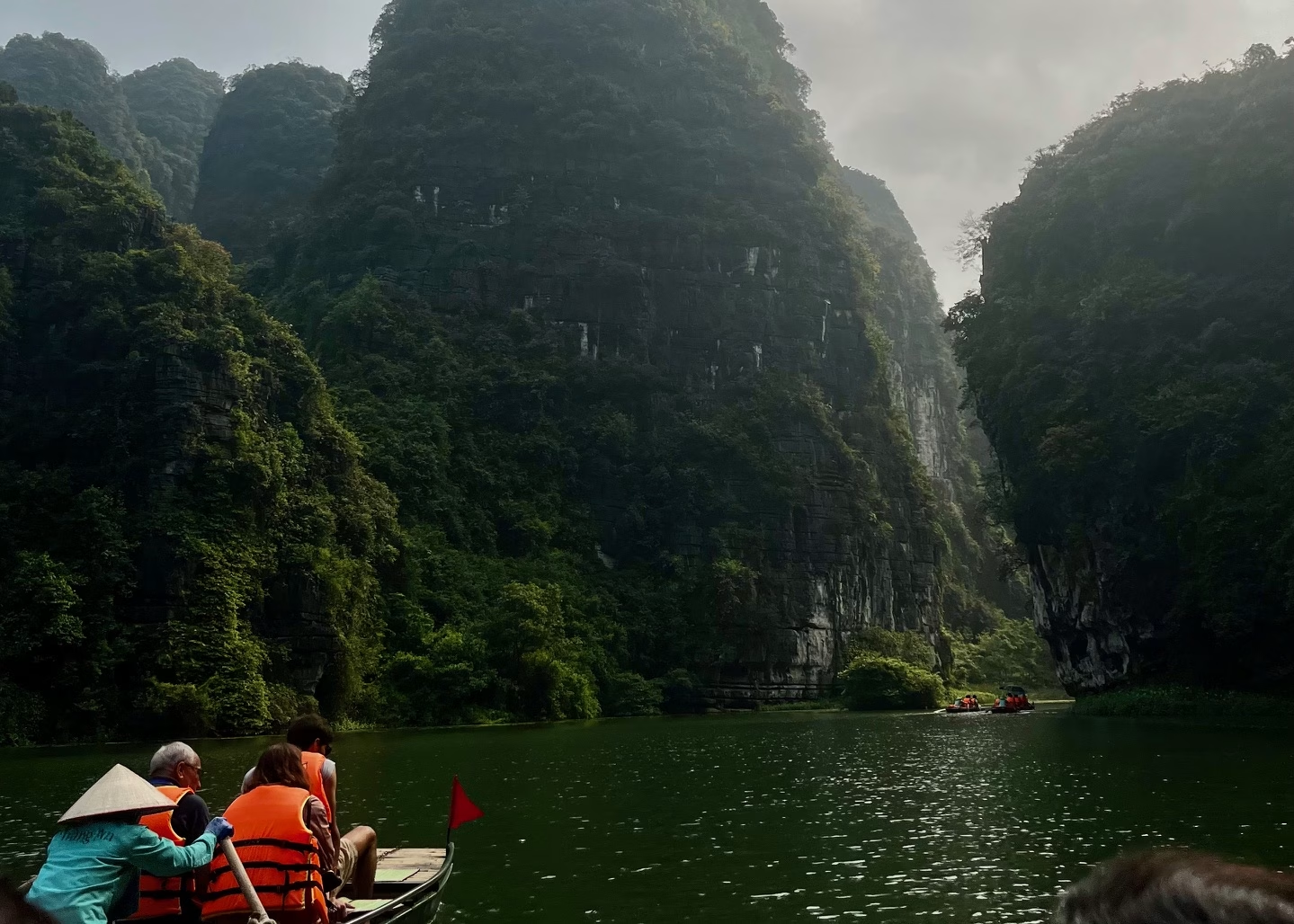
North Vietnam is a region of stunning landscapes, vibrant culture, and unforgettable experiences.
From bustling cities to serene mountain villages, this itinerary will guide you through our favorite parts of the north, with plenty of opportunities to learn about local life and immerse yourself in nature.
Our North Vietnam itinerary was one of our very favorite parts of our South East Asia trip. We hope you love it as much as we do!
🤔 Is Northern Vietnam just one leg of your trip, or your starting point? Compare Hanoi vs Ho Chi Minh City to decide where to begin your Vietnam adventure.
Days 1- 3: Embrace the Chaos of Hanoi
Your journey begins in Hanoi, Vietnam’s capital and a city that buzzes with energy unlike anywhere else we’ve visited.

TOP TIP: Crossing the streets can seem scary and dangerous at first. The trick is to walk with confidence at an even pace. Drivers are used to this and will navigate around you. Just don’t walk out directly in front of a car and you’ll be fine!
The chaotic charm of its streets is a sensory delight: motorbikes weaving through traffic, the aroma of sizzling street food, and a mix of ancient and modern architecture at every turn.
🇻🇳 Read everything we have to say about Hanoi:
What to Do in Hanoi
Stroll through the Old Quarter, where narrow lanes are lined with shops selling everything from handicrafts to egg coffee to steaming bowls of pho.
For a deeper look into Vietnam’s coffee culture, this Hidden Hanoi Coffee Workshop offers a hands-on way to learn how the country’s most famous drinks are made.
Each street specializes in a different trade, making the city super fun to wander around and explore.
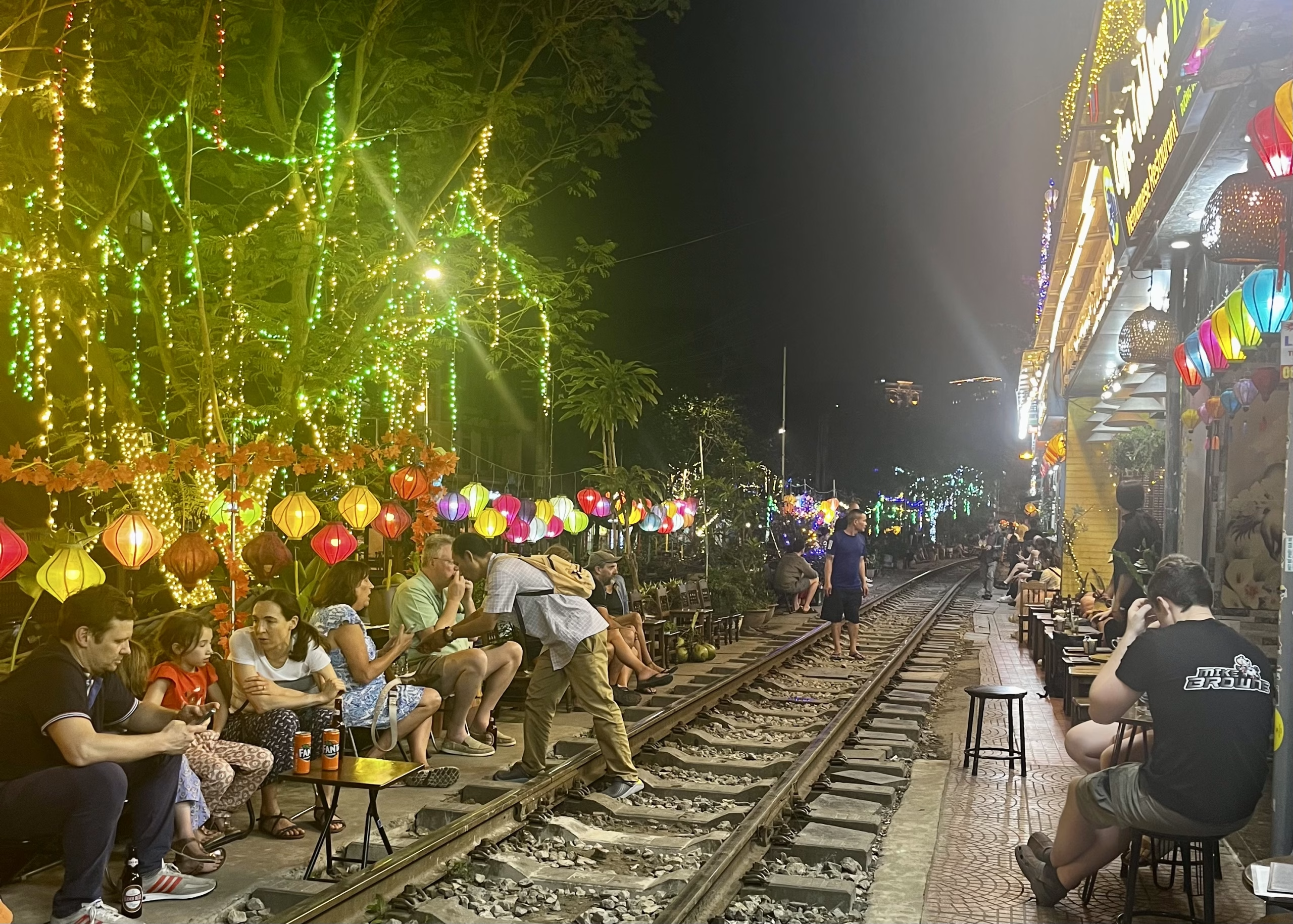
Visit Train Street, where trains pass astonishingly close to the houses and cafes lining the track. We visited at night and grabbed a couple beers while we waited for the train.
TOP TIP: Ask the shop owner to put your beer bottle caps on the tracks to be flattened by the passing train. It’s a super cute and special souvenir that weighs and costs nothing!
While you’re in Hanoi, you should also explore Hoan Kiem Lake and Ngoc Son Temple, a tranquil escape in the middle of the city. Early risers can join locals practicing tai chi by the water.
Lastly, you can learn some Vietnamese history at the Temple of Literature, a complex that once served as Vietnam’s first university.
🇻🇳 Still deciding where to go in Vietnam? Browse our guide to the best places to visit to help you choose which destinations fit your travel style and route.
Where to Stay & Where to Eat in Hanoi
- Where to Stay: Hanoi City Backpackers Hostel – we stayed here – affordable, central, and friendly. You can also try HaNoi Calido Hotel for a great budget hotel option.
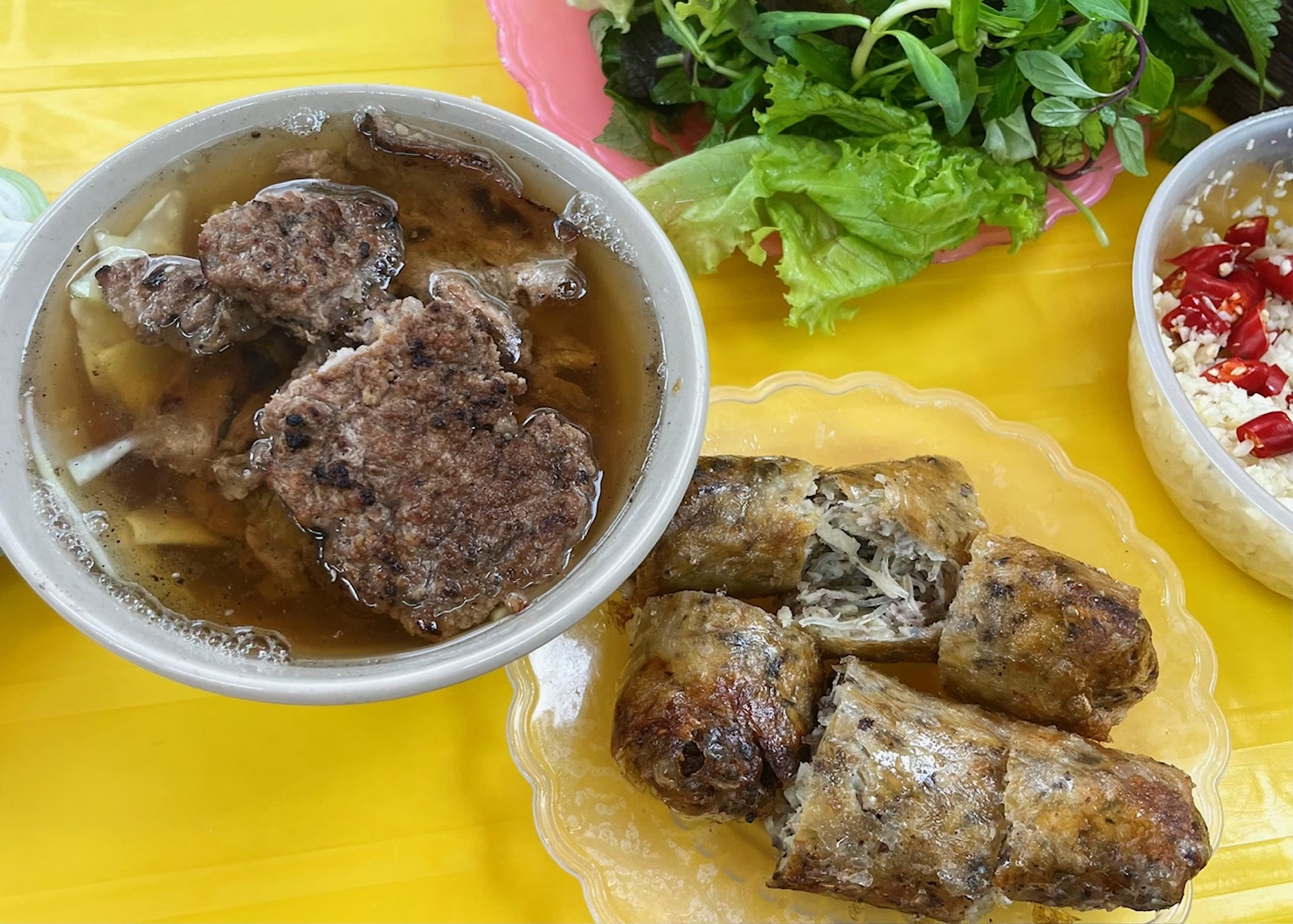
- Where to Eat: Bun Cha Dac Kim, famous for its grilled pork and noodle dish.
✨ Why You’ll Love Hanoi: Hanoi’s mix of old and new offers a perfect introduction to Vietnam. The city’s food scene is legendary, so be sure to try local dishes like bun cha (our FAV) and banh mi.
Days 4–8: Marvel at the Rolling Rice Terraces in Sapa
Leave the city behind and head to Sapa, a mountain town known for its dramatic rice terraces and rich cultural diversity.

Spend your first night and second day exploring Sapa town, then head up into the mountains for some trekking and to stay with a local Hmong family in a homestay. Here, you’ll find a slower pace of life and an opportunity to connect with the ethnic minority communities who call this region home.
🇻🇳 Read everything we have to say about Sapa:
What to Do in Sapa
The most popular thing to do in Sapa is to book a trek through the terraced rice fields, passing through villages like Ta Van and Lao Chai.
The landscapes change with the seasons, from lush green in summer to golden hues during harvest.
While in Sapa, you should stay with a local family in a homestay. This is more than just a place to sleep — it’s a chance to share meals, stories, and everyday traditions.
One of the activity options at our homestay was a handicraft workshop, where we learned traditional indigo dyeing and batik making from a local Hmong woman.
👉 Want to try it yourself? This batik workshop in a Hmong village was genuinely one of the most memorable cultural experiences we had in Vietnam.
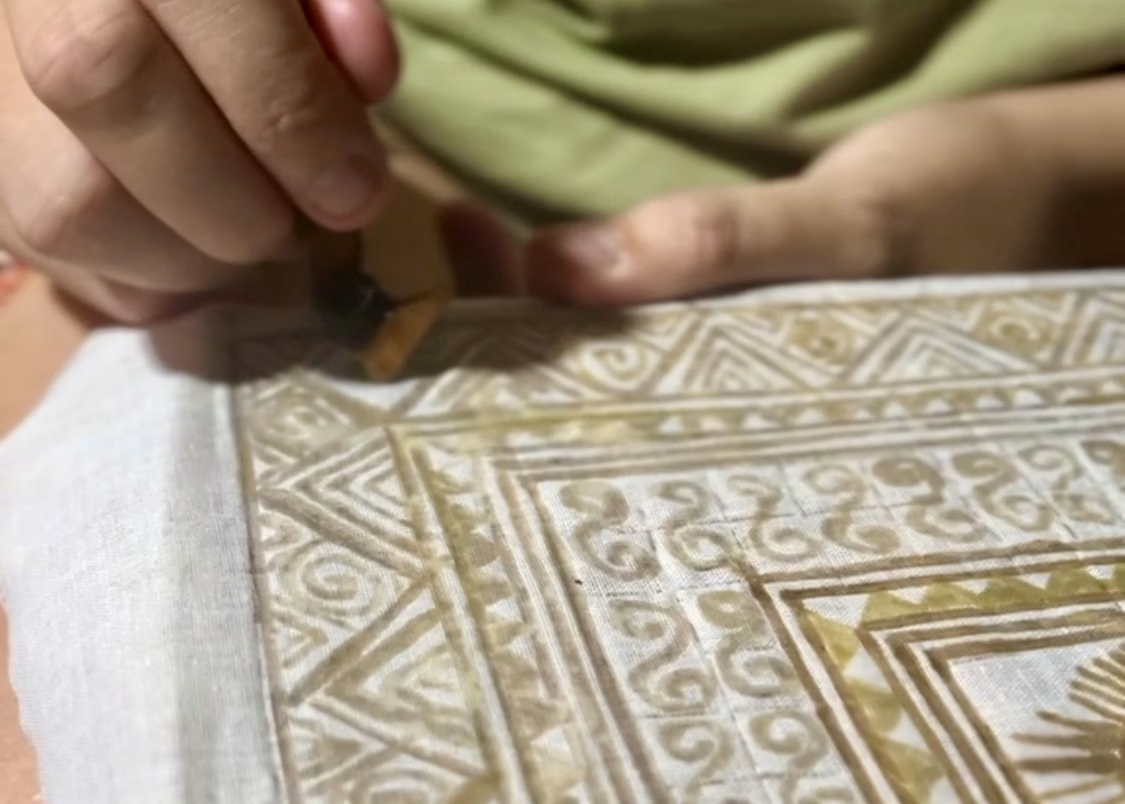
Once you’re back in Sapa town (where you’ll arrive and depart from), take the cable car up to Fansipan for a bird’s-eye view of the region. The vistas are breathtaking, especially on a clear day.
Where to Stay & Where to Eat in Sapa
- Where to Stay: NiNi Homestay (Sapa Town) and Mekhoo & Zizi Homestay in the mountains outside of Sapa. We stayed in both of these.
- Where to Eat: Little Vietnam Restaurant (in Sapa town) offers a mix of Vietnamese and international dishes. Otherwise you’ll eat at your homestay.
✨ Why You’ll Love Sapa: The blend of natural beauty and cultural experiences makes Sapa a highlight of any trip to Vietnam. The warmth and hospitality of the local people is something we’ll never forget.
Days 9–11: Go on a Budget Cruise around Lan Ha Bay from Cat Ba Island
From the mountains, travel south to the coast to explore the stunning karst landscapes of Cat Ba Island and Lan Ha Bay.
These areas offer all the beauty of Ha Long Bay with fewer crowds, making it a more peaceful and sustainable alternative.

What to Do in Cat Ba Island:
Take a day cruise or overnight trip around Lan Ha Bay, where emerald waters and limestone karsts create a dreamlike setting.
Highlights include kayaking through hidden lagoons, visiting floating fishing villages, and swimming in secluded coves.
You should also spend time exploring Cat Ba National Park. The hike to Ngu Lam Peak offers panoramic views of the island.
📌 Check online to see if the bioluminescent plankton are in the water during your visit. Seek Sophie offers a kayaking tour to witness nature’s magical light show.
With your remaining time, you can relax on the beaches of Cat Ba, such as Cat Co 1 and Cat Co 2, or rent a motorbike to explore the island at your own pace.
Where to Stay & Where to Eat in Cat Ba Island
- Where to Stay: Cat Ba Green Hotel, known for its friendly staff and great location. We stayed here.
- Where to Eat: Viet Hai Restaurant and Secret Garden Restaurant are local favorites.
✨ Why You’ll Love Cat Ba Island: The combination of ocean and jungle makes Cat Ba a perfect retreat. Whether you’re kayaking, hiking, or simply lounging on the beach, you’ll be surrounded by beautiful nature.
🇱🇦 Still deciding between visiting Vietnam and Laos? We break down the key differences between each so you can pick the right country for you.
Days 12–14: Experience the Other-Worldly Ninh Binh
End your trip in Ninh Binh, often called “inland Ha Long Bay” for its dramatic limestone karsts rising from lush rice paddies.

This serene destination offers a chance to unwind and reflect on your journey.
🇻🇳 Read everything we have to say about Ninh Binh:
What to Do in Ninh Binh:
First things first: Take a boat ride through Trang An or Tam Coc. Your guide will row you through caves and alongside towering cliffs, providing a tranquil and scenic experience.
You’ll be able to pick between 3 routes: we chose #3, though they all seem fairly similar.

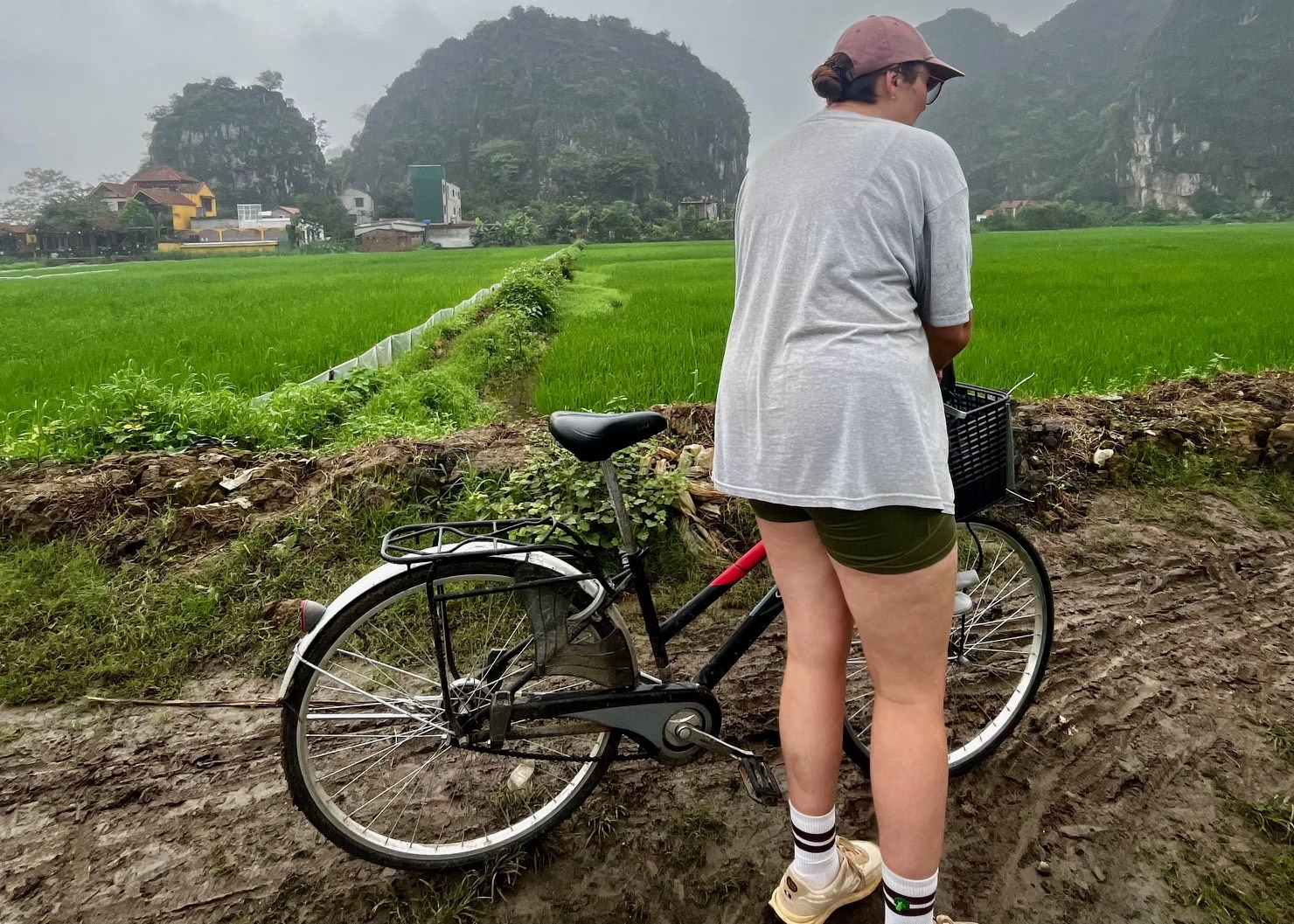
You can also rent a bicycle and explore the countryside, passing through quiet villages and golden rice fields. It’s easy to bike around the whole area.
One stop you can’t miss is the climb to Mua Cave Viewpoint for one of the most spectacular views in Vietnam. It’s 500 steps up the mountain, but the effort is well worth it!
Bich Dong Pagoda is one of the most popular tourist attractions in Ninh Binh. The sacred complex is built into the mountainside offering visitors an impressive blend of architecture and nature.

Where to Stay & Where to Eat in Ninh Binh
- Where to Stay: Tam Coc Lotus Flower Homestay, a cozy and welcoming base. We stayed here.
- Where to Eat: Father Cooking Restaurant, renowned for its fresh and flavorful dishes.
✨ Why You’ll Love Ninh Binh: Ninh Binh’s natural beauty and laid-back vibe make it an ideal place to end your adventure. You can explore its stunning limestone karsts, winding rivers, and lush rice paddies at a relaxed pace, soaking in the tranquil atmosphere.
If you’re deciding between Phong Nha or Ninh Binh, both destinations boast breathtaking landscapes, but Ninh Binh’s charm lies in its peaceful retreat from the crowds.
Optional Add-Ons to Your North Vietnam Itinerary
Ha Giang Loop: Add 3-5 Days to Your Itinerary
For the adventurous, the Ha Giang Loop is a must. This motorbike route takes you through some of the most jaw-dropping landscapes in Vietnam, including the Dong Van Plateau and Ma Pi Leng Pass.
The easiest way to book the loop is through a hostel in Hanoi. They’ll often book your transport to and from Ha Giang as well as part of the tour cost.
NOTE: We decided against doing the Ha Giang Loop. We’re not into the party scene in Southeast Asia and we struggled to find an affordable tour to avoid that!
Cao Bang: Add 2-3 Days to Your Itinerary
Cao Bang is home to Ban Gioc Waterfall, Vietnam’s largest and most impressive waterfall. Nearby, explore Nguom Ngao Cave and enjoy the tranquility of this off-the-beaten-path destination.
The Best Month to Visit North Vietnam
The best time to visit Northern Vietnam is generally from March to April and September to November.
These months offer comfortable temperatures and lower chances of heavy rainfall, making them ideal for exploring destinations like Hanoi, Ha Giang, Sapa, and Ninh Binh.
If you prefer to avoid tourist crowds while still enjoying good weather, aim for the shoulder seasons in early spring or late autumn. We visited in April and found the weather hot but not terrible.
TOP TIP: If you’re planning on doing the Ha Giang Loop or spending time in Sapa, aim for the Spring as you never know when the snow and cold weather will hit in Northern Vietnam.
The Best Way to Travel Around North Vietnam
One of the most efficient ways to explore Vietnam is by combining travel on buses and trains. Here’s a breakdown of both options:
Buses in Vietnam
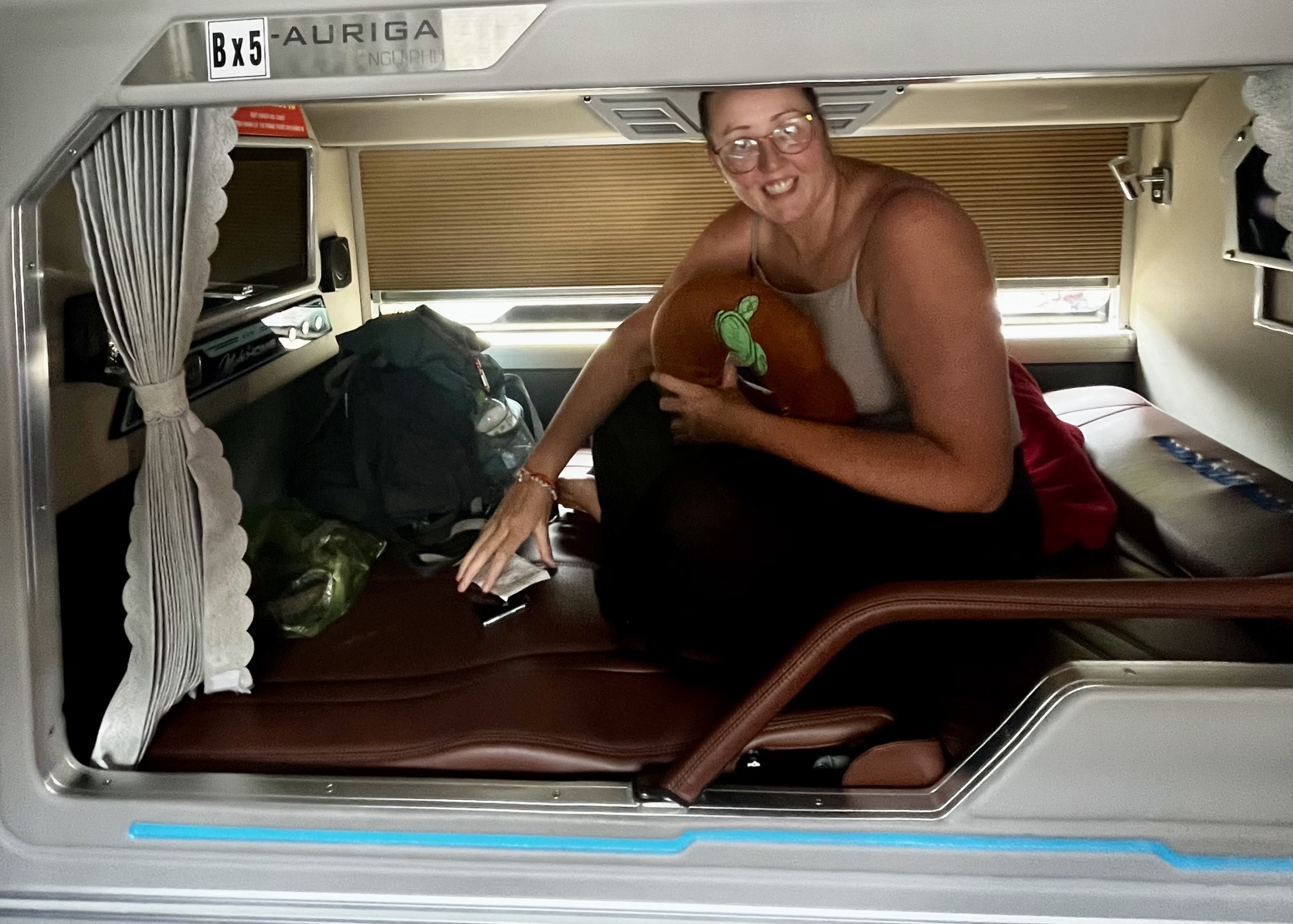
Vietnam’s sleeper buses are a quintessential part of any backpacking journey through the country. These buses connect virtually every destination along the tourist route, making them the most affordable and accessible choice for budget travelers.
TOP TIP: It’s worth paying a little extra for VIP buses rather than local ones. VIP services offer significantly more space, better amenities, and fewer surprises—like fellow passengers sleeping in the aisle.
👉 Want more top tips on Vietnam buses? We’ve written a comprehensive guide to sleeper buses in Vietnam.
Trains in Vietnam
Train travel in Vietnam is another option, though it largely depends on your itinerary.
Train stations are often located on the outskirts of cities or even in neighboring towns, which can make it a less convenient choice for some routes.
👉 Interested in taking the train around Vietnam? Here’s our guide on tackling Vietnam’s sleeper train network.
Buses vs. Trains in Vietnam
In our experience, buses were the better option overall—more predictable, with designated food stops and spacious sleeping arrangements.
Trains, while offering onboard meals, were less reliable when it came to meal timing. If you happen to be in the top bunk or asleep when food service rolls by, you might miss it entirely.
While you won’t be on any super long journeys through North Vietnam, this is still a consideration.
👉 When it comes to booking transit in Vietnam 12Go is our top recommendation. Their VIP services are dependable and comfortable – we use 12Go for literally everything in Vietnam.
What to Pack for Travel in North Vietnam
The most important thing to pack for Vietnam is clothes that you feel comfortable in. Depending on the season you visit, you may need a coat for the mountains in Sapa.
If you are traveling during the rainy season (which we don’t recommend in North Vietnam), make sure you are prepared with a good rain jacket.
🛑 Flooding in Vietnam is no joke. PLEASE avoid visiting North Vietnam during rainy season. The last thing authorities need is to be rescuing tourists as well as stranded locals. Read about the devastating floods here.
We also recommend a scarf to cover your shoulders and a good pair of shoes to climb to viewpoints and trek.
Vietnam Travel FAQs
Should I Explore Northern Vietnam First or Last?
If you’re visiting both Northern and Southern Vietnam, this is a common dilemma!
For us, starting in the north made the most sense since we were coming from Laos – but we’ve met plenty of travelers who preferred saving it for the end.
Their reasoning? The landscapes and cultural experiences in the north are often seen as the highlight of Vietnam, making it a memorable finale to any trip.
Bottom line: it all depends on your route and preferences. Starting in Hanoi lets you dive straight into Vietnam’s historical and cultural heart – from the bustling Old Quarter to ancient temples.
From there, you can easily venture to Ha Giang, Sapa, or Ninh Binh, all rich in stunning landscapes and unique local life.
When is Rainy Season in Vietnam?
The rainy season in North Vietnam typically lasts from May to September, with July and August being the wettest months. Expect heavy downpours and occasional flooding in the mountains.
Do I Need a Visa to Visit Vietnam?
Some countries can stay in Vietnam visa-free, while others need a tourist visa for up to 3 months, depending on nationality.
E-Visa: Many travelers can apply online for Vietnam’s e-visa, which takes just a few minutes to complete. You’ll upload a photo and passport scan, then pay the small fee. E-visas are typically valid for 30 days but can sometimes be extended to 90 days.
💡 TOP TIP: Double-check your name matches your passport exactly – Julia once forgot her middle name and had to correct it before approval!
Embassy/Consulate: You can also apply at a Vietnamese embassy or consulate at home or during your travels. Always keep digital and printed copies of your visa – we print ours in case digital ones aren’t accepted.
Where Should I Go After Vietnam?
Vietnam’s location makes it easy to continue exploring Southeast Asia.
Cambodia: Visit Phnom Penh or Siem Reap to see the famous Angkor Wat. The easiest route is by bus from Ho Chi Minh City to Phnom Penh.
Laos: Ideal for quiet landscapes and off-the-beaten-path travel. Many backpackers take the long but scenic bus from Hanoi to Vientiane.
Thailand: A popular next stop! Fly from Hanoi or Ho Chi Minh City, or travel overland through Cambodia.
✈️ We actually started our journey flying from Bangkok to Hanoi, and budget airlines like VietJet and AirAsia make it easy (and cheap!) to hop between Vietnam and destinations like Malaysia, Indonesia, or even Japan.
Why Visit North Vietnam?
This itinerary captures the essence of Northern Vietnam, blending culture, adventure, and natural beauty.
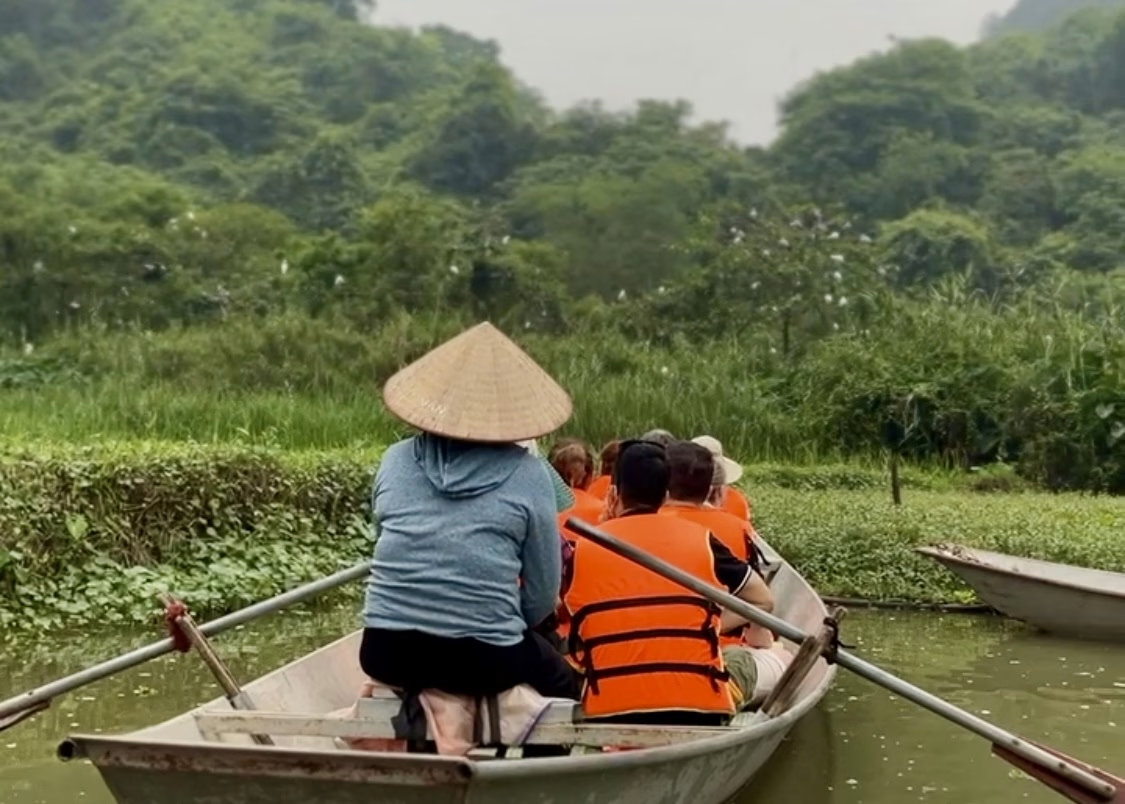
Whether you’re trekking through the terraced hills of Sapa, cruising the emerald waters of Lan Ha Bay, or cycling among the karst landscapes of Ninh Binh, each stop reveals a different side of this captivating region.
Perfect for travelers seeking both activity and relaxation, this journey will leave you with unforgettable memories – and a deeper appreciation for Vietnam’s diversity.
🎒 Planning a longer trip?
Once you’ve explored the north, check out our complete 2-week Vietnam itinerary or 1-month Vietnam itinerary to experience everything this incredible country has to offer.
