

Sleeper Buses in Vietnam: What to Expect & How to Book
Sleeper buses in Vietnam are one of the most affordable and convenient ways to travel, and after a month of taking them across the country, we’ve learned all the ins and outs.
Wondering what to pack? Don’t know which bus companies to trust? Confused about what to expect on board? This guide covers everything you need to know before your first trip.
Whilst you can expect to save on a night’s accommodation and an extensive network of sleeper buses in Vietnam, be prepared for delays and limited comfort.
For more chance of comfort, always travel VIP on the overnight buses like we did. It was the best decision we made transit-wise in Vietnam! To guarantee a spot, most routes can be booked in advance on 12Go.
From booking tips to avoiding common pitfalls, we’ll help you navigate Vietnam’s sleeper bus system like a pro.
DISCLOSURE: This post may contain affiliate links, which means we may earn a small commission if you book or buy something through them – at no extra cost to you. We only recommend things we’d actually use ourselves. Read more in our Privacy Policy.
How to Book Sleeper Bus Tickets in Vietnam
😇 Before you travel…
Before planning transit or food stops, make sure you’re heading to the best places — we’ve done the legwork for you with our 7 favorite places in Vietnam 🚉.
Booking your sleeper bus tickets in advance is the best way to secure a good seat – especially during peak travel seasons.
You can either book online before your trip or buy tickets in person at the bus station or a travel agency.

Booking Online
Booking online is the easiest and most convenient way to get a ticket for a sleeper bus in Vietnam, especially if you want a VIP bus.
- Where to book: Reliable platforms like 12Go and official bus company websites allow you to reserve tickets in advance.
- Best for planning ahead: If you’re taking a popular route like Hanoi to Ho Chi Minh City or Hue to Da Nang, booking online ensures you get a seat on a reputable bus company.
- VIP bus options: Many online platforms allow you to filter for VIP buses, ensuring you get a more comfortable ride.
Buying Your Tickets in Person
If you prefer to book in person, you can buy tickets at bus stations, travel agencies, and even most hostels. This can be a good option if you’re traveling spontaneously, but it does come with some risks.
- Pros: No service fees, and you can sometimes negotiate better prices at local agencies.
- Cons: Standard buses may be the only option available last-minute, and bus station staff may not always speak English.
- Best for last-minute travel: If you’re flexible on timing and don’t mind taking a standard sleeper bus, buying in person is usually fine. However, for overnight trips, securing a VIP bus in advance is highly recommended.
The only time we ended up on a standard, three-row bus was when we booked through our guesthouse to travel from Phong Nha to Hue.
Luckily it was just a 5-hour day time ride, but we were grateful that wasn’t our accommodation for the night.
🤔 Still deciding where to start your Vietnam trip? Our Hanoi vs Ho Chi Minh City guide breaks it down based on vibe, nature, and timing.
How Much Do Sleeper Buses in Vietnam Cost?
Sleeper bus prices in Vietnam vary depending on the route, bus company, and level of comfort.
Budget buses typically start around 200,000–350,000 VND ($8–$15 USD) for shorter routes, while longer journeys, like Hanoi to Ho Chi Minh City, can cost 600,000–1,000,000 VND ($25–$40 USD).
VIP buses with more space and better service are slightly more expensive but can be worth it for overnight trips.
Booking directly through bus company websites or local travel agencies often gets you the best price, while third-party booking platforms may add a small markup.
TOP TIP: While booking direct may save you a small amount of money, we found booking through 12Go to be worth it for the clear, English language booking and instant confirmation. It also helps to have a customer service contact with 12Go in case of any mishaps.
What to Expect on a Sleeper Bus in Vietnam
Our experience with overnight buses in Vietnam was overwhelmingly positive. We booked VIP buses almost every time, and they were consistently clean and mostly on time.
While train travel in Vietnam is a classic backpacker experience, sleeper buses became our preferred way to get around the country.

Having a bed to yourself with a curtain creates a cozy, private space, and watching the world go by from your bunk is a unique part of the journey.
The ride can be a bit bumpy, and we won’t claim we got the best sleep of our lives, but overall, sleeper buses in Vietnam are a comfortable, budget-friendly, and efficient way to travel long distances.
👉 We love a hectic travel day around Southeast Asia. If you’re backpacking and going from Thailand to Laos (Chiang Rai to Huay Xai), we will guide you through the process here.
Seat and Sleeping Arrangements
Most sleeper buses have three rows of narrow, semi-reclining bunks, with an upper and lower level.
VIP buses only have two rows, which is much more comfortable. The bunks aren’t fully flat, so expect to sleep in a reclined position rather than lying completely down.
What Are the Best Seats on the Bus?
The best seats on a sleeper bus depend on your preferences, but some spots are definitely better than others.
Middle-row seats are ideal since they’re furthest from the bumpy back and the driver’s loud music in the front.
Lower bunks are easier to get in and out of, while upper bunks give you more space away from people walking in the aisle. We preferred the top bunks – the VIP bunks are not too hard to get in and out of.
Avoid seats near the bathroom (if there is one) since they can get smelly. If you’re prone to motion sickness, staying near the middle of the bus will give you the smoothest ride.
You won’t always be able to choose your seats, but keep the above in mind when booking if you can!
🇻🇳 Planning to explore northern Vietnam? This guide covers the best stops, how to connect them, and when overnight buses make the most sense.
Are There Size Requirements for Sleeper Buses?
Vietnamese sleeper buses are designed for the average local traveler, so they can feel cramped if you’re taller or have a larger frame.
👉 Book a VIP bus to have more space!! 👈
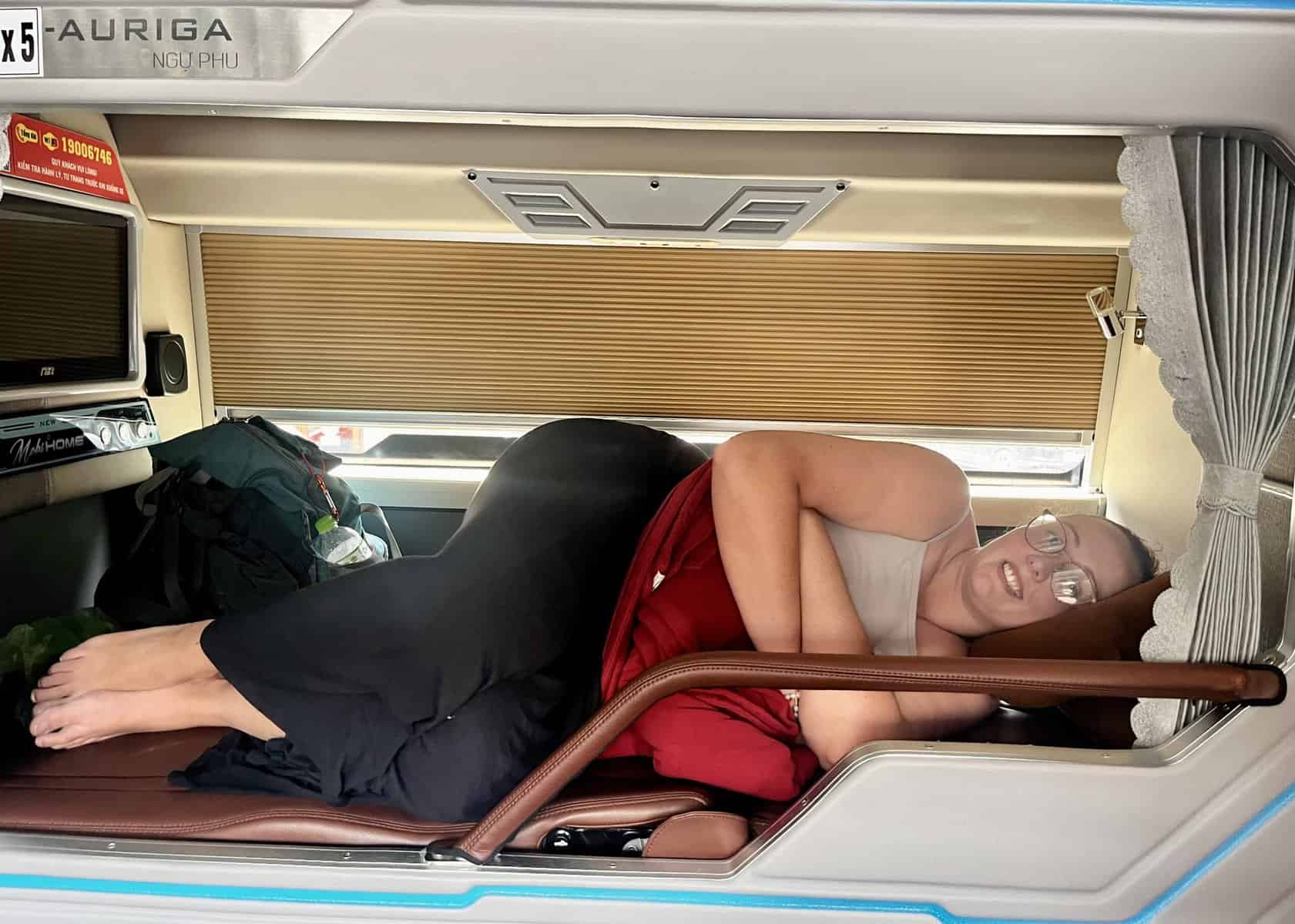
The beds are typically about 170–180 cm (5’7”–5’11”) long, meaning taller travelers may have to bend their knees or sleep slightly curled up. Width-wise, they’re narrow but manageable for most people.
Jess is 6ft tall and managed just fine on the VIP buses. It was a little tight, but FAR more comfortable for her than most other transit we took in all of Southeast Asia.
Food & Rest Stops
Meal Breaks
For bus journeys of five hours or more, there’s usually a meal break about halfway through. The stop can vary from a roadside noodle shop to a full indoor food court, depending on your route.
We always bring enough snacks to tide us over, just in case. Vietnamese food is incredible, but the meal options on these stops can be unpredictable.

Either way, you’ll end up eating the snacks at some point, so it’s better to have them on hand!
🇱🇦 Heading to Laos too? Wondering what the transit and food are like? This comparison breaks down costs, travel style, and highlights to help you choose the right fit.
Do Sleeper Buses have toilets?
Many sleeper buses don’t have onboard toilets, and even those that do often aren’t well-maintained.
We recommend using the bathroom before departure and at rest stops along the way. There will be a bathroom stop at least every couple hours for a toilet break and snacks.
Amenities Provided
Buses in Vietnam vary in comfort, but most offer a few basic amenities to make the journey easier. Here’s what you can typically expect on board:
- Blankets and pillows – A blanket was almost always provided and they were always clean. Don’t expect a pillow – we just used our jackets or a scarf.
- Charging ports – Some buses have USB outlets, but they’re not always functional.
- WiFi – Advertised but rarely works well.
- Onboard toilets – Some buses have small restrooms, but they can be unpleasant, so many people prefer rest stops.
Luggage Storage
Luggage is stored in the bus’s undercarriage, and smaller bags can be kept inside with you. We always kept valuables in our daypacks, as theft can be an issue on some routes.
We like to keep our daypacks by our heads or against the window in our bed – better safe than sorry!
Pros and Cons of Taking Sleeper Buses in Vietnam
Taking a sleeper bus in Vietnam is one of the most budget-friendly and accessible ways to travel long distances across the country.
We took many sleeper buses during our time in Vietnam, and while they were a great way to save money, they weren’t always the most comfortable option.
Keep reading to find out if a sleeper bus is the right option for you.
🚌 Only have two weeks? This 2-week itinerary shows exactly how to travel Vietnam efficiently, including which routes are worth taking overnight.
Pros: Why Take Sleeper Buses in Vietnam?

One of the biggest advantages of sleeper buses is their affordability. Compared to trains and flights, they are significantly cheaper, making them a great choice for budget travelers.
- Affordable transportation – Sleeper buses in Vietnam are one of the cheapest ways to travel long distances.
- Save on accommodation – Your bus fare includes a reclining seat or bunk, eliminating the need for a hotel for the night.
- Frequent departures – Unlike trains, which have limited schedules, sleeper buses run multiple times per day.
- Direct routes to tourist destinations – Many sleeper buses go straight to popular places like Sapa, Ha Giang, and Mui Ne, whereas trains often require additional transport.
- Flexible booking options – You can book tickets online, at travel agencies, or directly through hostels and guesthouses.
Cons: What to Watch Out For
Although sleeper buses are cheap and convenient, they still come with their downsides.
- Limited comfort – Even on a VIP bus, you won’t get a fully flat bed, and taller travelers may feel cramped.
- Bumpy and erratic rides – Some drivers are aggressive, and Vietnam’s roads aren’t always smooth.
- Limited personal space – Buses pack in passengers, and the standard buses have three rows of bunks, making them feel crowded.
- Frequent stops and delays – Some sleeper buses pick up and drop off passengers along the way, extending travel times.
Are Sleeper Buses in Vietnam Safe?
Overall, sleeper buses in Vietnam are safe, but there are a few things to be aware of.
The biggest risks come from reckless driving, occasional theft, and bus companies with poor safety records.
Some drivers speed or overtake aggressively, especially on night routes, so choosing a reputable company is key.
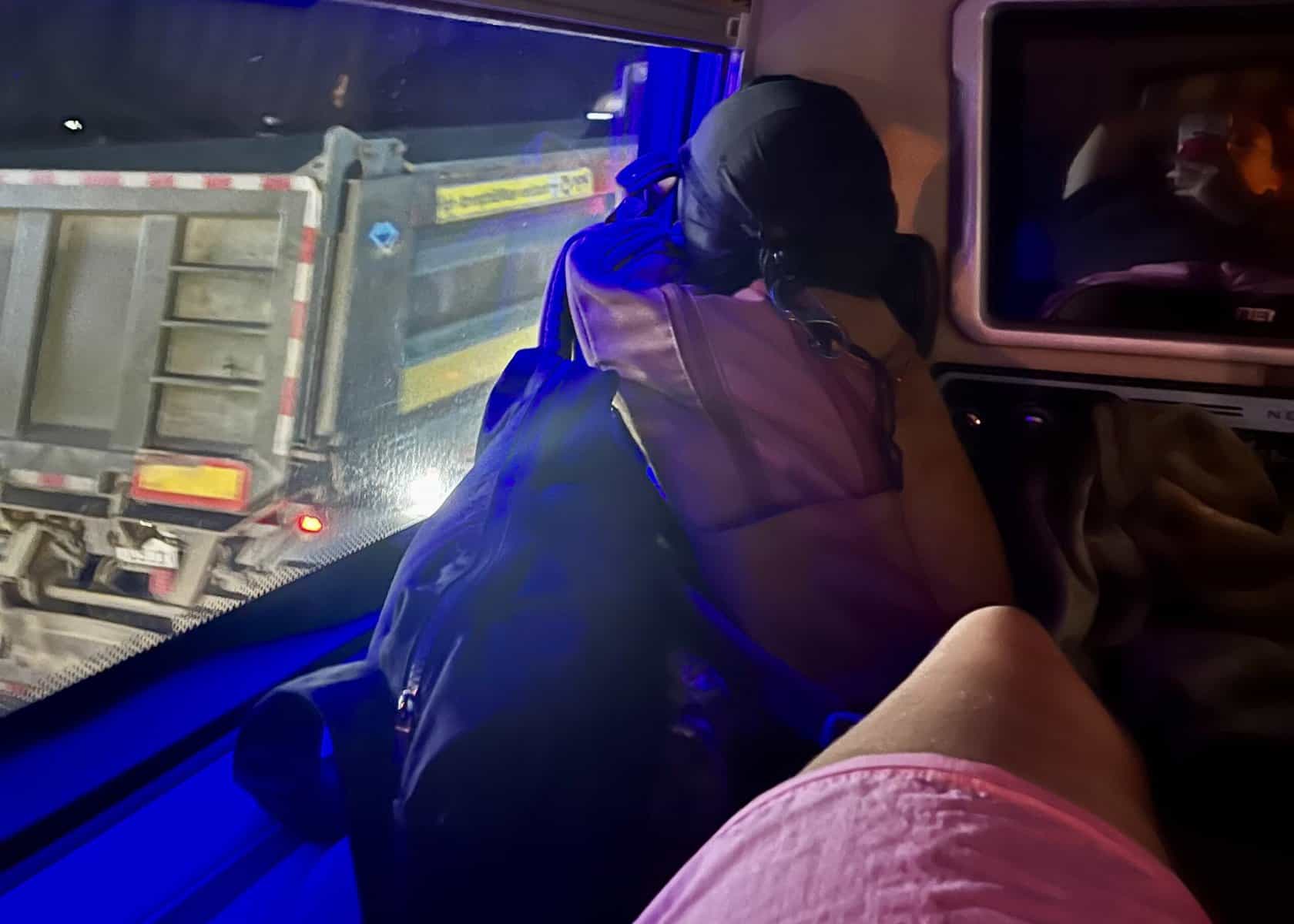
TOP TIP: Look up Google reviews for the bus company before you book. Some companies have FAR better service than others. It’s worth checking out before paying for a ticket.
To keep your belongings safe, always keep valuables like your phone, passport, and wallet with you rather than in the luggage hold.
While accidents do happen, they are rare, and sleeper buses remain one of the most common ways for budget travelers to get around Vietnam.
Our Number One Best Advice for Sleeper Buses in Vietnam
If you don’t read anything else in this guide, remember this: our top tip for traveling by sleeper bus in Vietnam is to book the VIP bus, NOT the standard bus. We’ve outlined the differences for you below.
Standard Sleeper Buses: Cramped and Uncomfortable
Standard sleeper buses in Vietnam have three rows of narrow bunks, with an upper and lower level. Sometimes there are even people sleeping on the floor.
Just look up Vietnam sleeper bus mistakes (or something of the sort) on Instagram or Tiktok and you’ll see examples of what you DON’T want to book.
The tight layout makes them feel crowded, and some travelers even find themselves having to share a bed. While they are the cheapest option, they can be uncomfortable, especially on longer routes.

VIP Sleeper Buses in Vietnam: Worth the Upgrade
VIP sleeper buses, on the other hand, have only two rows of bunks, providing much more space and comfort.
The reduced number of beds means a less crowded environment, better sleep, and an overall more enjoyable experience.
If you’re traveling overnight, spending a few extra dollars on a VIP bus is well worth it.
Tips for Taking a Sleeper Bus in Vietnam

Sleeper buses in Vietnam can be a great way to cover long distances on a budget, but they’re not always the most comfortable experience.
A little preparation goes a long way in making the ride smoother. Here’s what you need to know:
What to Bring on a Sleeper Bus
A few small comforts can make a big difference on an overnight bus:
- Earplugs and an eye mask – Bus drivers love blasting music, honking frequently, and leaving the overhead lights on at random times. Block it all out and get some rest.
- Water bottle – Staying hydrated is key, especially on long, air-conditioned rides. Some buses provide small bottles, but don’t count on it.
- Snacks – Meal stops can be hit or miss, so bring something reliable. A mix of salty and sweet snacks helps keep things interesting.
- Power bank – Charging ports are sometimes available but often broken. Bring a power bank so you’re not left with a dead phone when you arrive.
What to Wear on a Sleeper Bus
Warm clothing is a must when taking a sleeper bus in Vietnam. The air conditioning can be cranked up to arctic levels and we would have frozen without the layers we packed.
A hoodie, socks, or even a lightweight blanket will keep you comfortable. We always keep our scarf in our day pack to use as an emergency blanket or pillow case on transit days.
Be Prepared for Delays
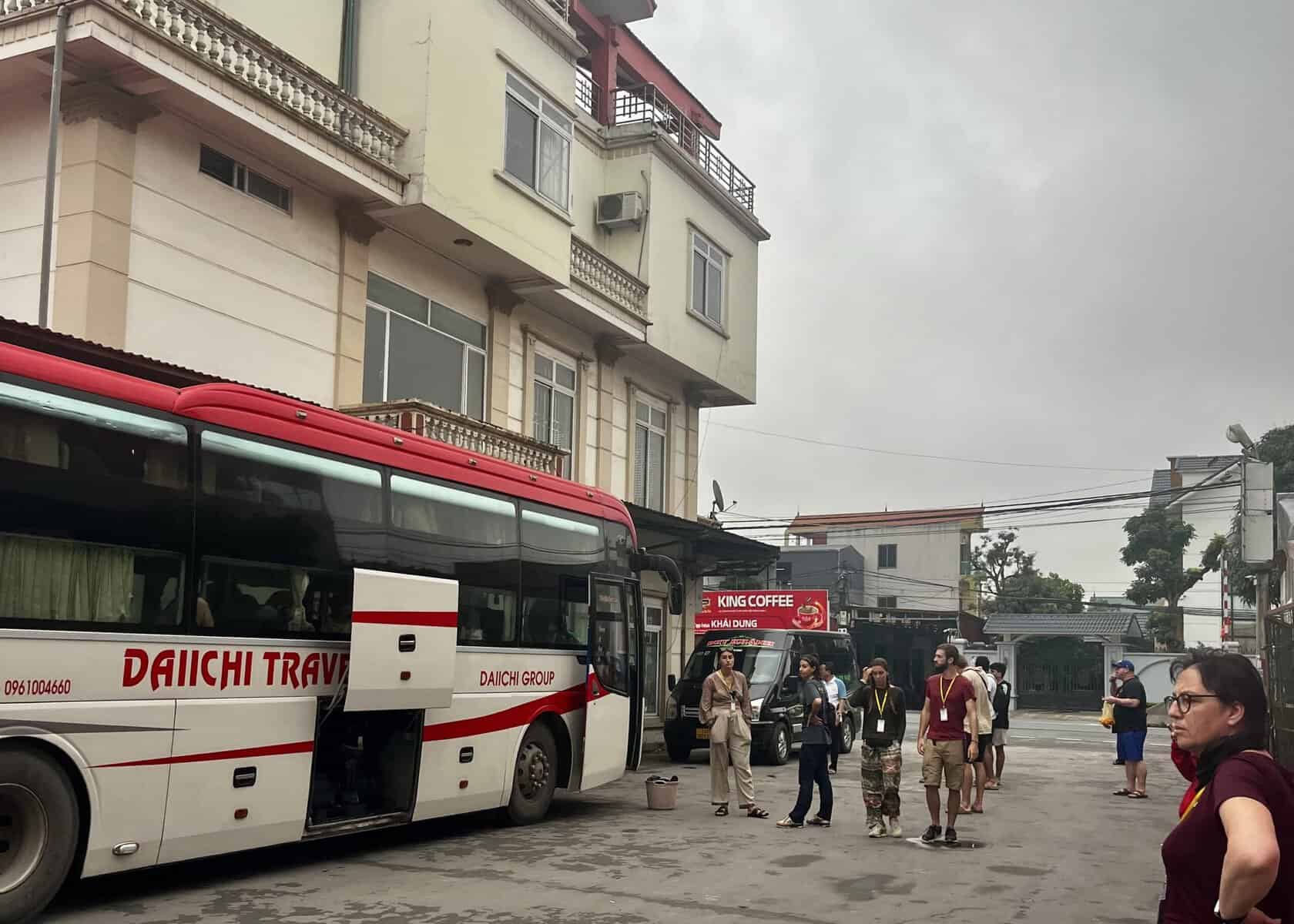
Vietnam’s roads can be unpredictable, with traffic, weather, and random stops adding extra time to your journey.
We have to say – Vietnam was better about timeliness in transit than Laos and sometimes even Thailand, but you certainly shouldn’t ever count on arriving at a specific time.
It’s best to assume your bus will arrive late and avoid planning any tight connections afterward. Just go with the flow – it’s all part of the adventure.
What are the Best Sleeper Bus Companies in Vietnam?
Not all sleeper buses are created equal – some offer decent comfort, while others are a chaotic free-for-all. Based on our experiences, these are some of the better options:
Futa Bus Lines – One of the most reliable and widely used companies, with a decent track record.
The Sinh Tourist – Popular among travelers, especially for routes between major tourist destinations.
Sapa Express – A solid choice for the Hanoi-Sapa route, with better service than some competitors.
Queen Cafe VIP Open Bus – More spacious than the cheapest budget buses, making long rides a bit more bearable.
Popular Sleeper Bus Routes in Vietnam
Vietnam’s sleeper bus network covers most of the country, making it easy to get around. We took sleeper buses on several routes, and some were better than others. Here are some of the most popular journeys:
- Hanoi to Sapa – About 5-6 hours. A sleeper bus is more flexible than the overnight train.
- Hanoi to Ha Giang – 6-7 hours. The best way to reach the Ha Giang Loop without breaking the budget.
- Hanoi to Hue – 12-14 hours. One of the longest routes, but an overnight bus can save a full travel day.
- Da Nang to Nha Trang – 9-10 hours. Some buses on this route are more modern, making it a more pleasant journey.
TOP TIP: Some bus routes arrive at odd hours – sometimes as early as 3 AM. Be sure to check the arrival time before booking and contact your accommodation in advance. Some guesthouses, like ours in Phong Nha, offer a free tent or mat so you don’t have to pay for an extra night.
👉 If Hanoi is your starting point, here’s where to stay based on your budget, travel style, and proximity to major bus departure points.
Alternatives to Sleeper Buses in Vietnam
If the idea of a sleeper bus doesn’t appeal to you, there are other ways to get around. Each option has its pros and cons, so it depends on your budget, schedule, and comfort level.
VIP Sleeper Trains
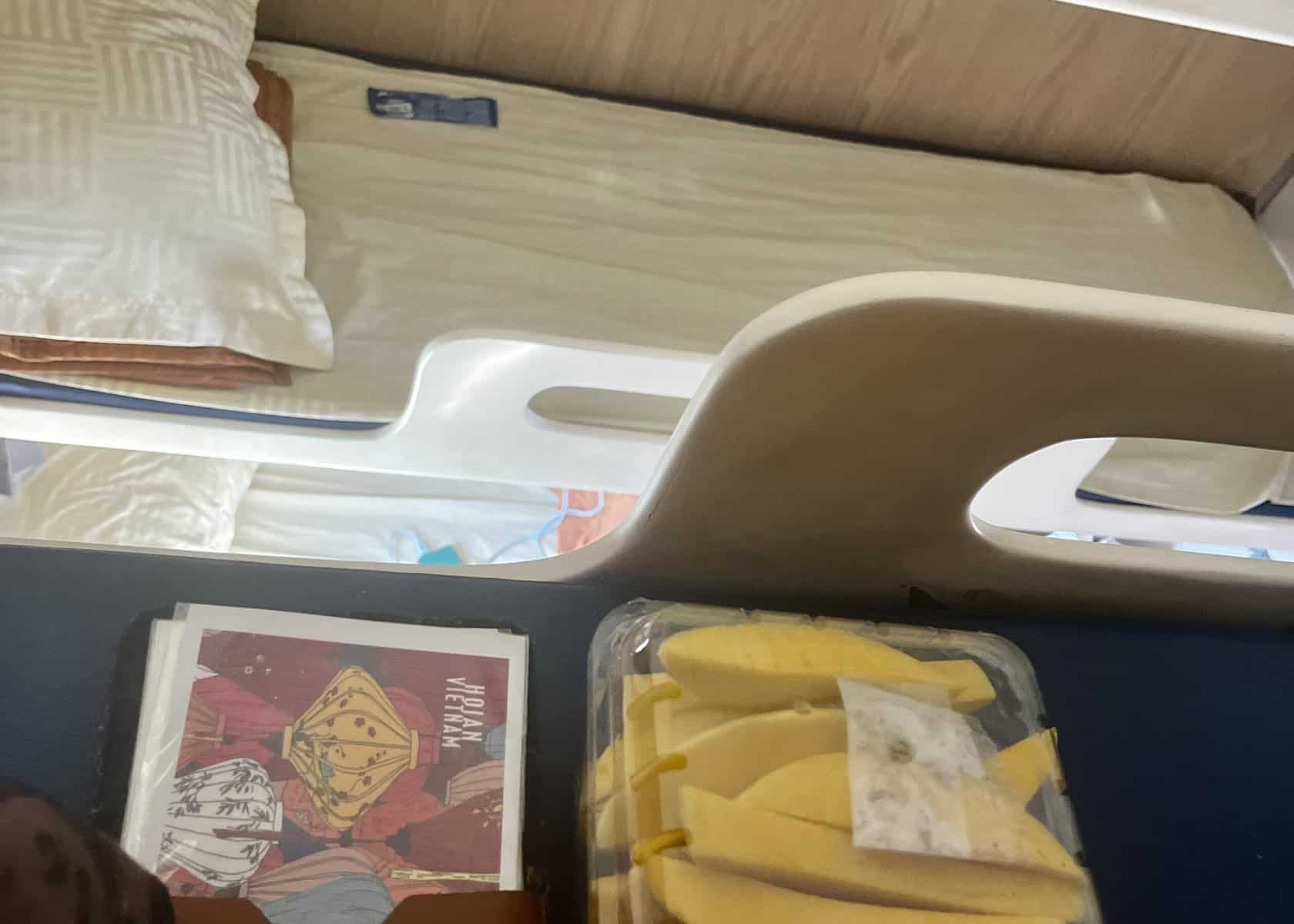
A more comfortable option with actual beds, smoother rides, and a quieter atmosphere.
While they can be pricier than buses, the extra comfort might be worth it, especially for longer routes like Hanoi to Ho Chi Minh City.
Read our complete guide on overnight sleeper trains in Vietnam here!
Budget Airlines
Domestic flights in Vietnam can be surprisingly affordable, especially if booked in advance.
Sometimes, the price difference between a bus and a budget flight is minimal, and you’ll save a lot of travel time. Just factor in baggage fees and airport transfers.
Day Buses

If you prefer not to sleep in transit, daytime buses are an option.
While you’ll lose sightseeing time, they can be more comfortable and less disruptive to your sleep schedule.
Some routes also offer comfortable VIP buses with reclining seats. Just grab a famous Vietnamese coffee and enjoy the scenery!
Motorbike
Some routes (besides the Ha Giang Loop) are known for amazing coastal views. What better way to experience this than in the open air on a motorbike!
The Hai Van Pass between Hue and Hoi An is one of the most popular motorbike routes.
You cruise along the coast, stopping at lagoons, waterfalls, beaches, and mountain passes all in one day. This is a great alternative to the Ha Giang Loop as well!
Final Thoughts: Are Sleeper Buses in Vietnam Worth It?
Sleeper buses are an iconic part of the Vietnam backpacking experience, and after a month of traveling the country, they became our favorite way to get around.
They’re budget-friendly, efficient, and an adventure in themselves. While comfort levels vary, we found that paying a little extra for a VIP bus made a big difference on longer routes.
If you’re up for a bit of unpredictability and don’t mind sharing space, sleeper buses are a great way to see Vietnam without breaking the bank.
Just come prepared, embrace the experience, and enjoy the ride!
Now that you know what to expect, sleeper buses make it easy to reach some of our favorite destinations across Vietnam. Start planning your route with our guides to these bus-accessible highlights:
💚 Sapa — mountain views, rice terraces, and quieter villages
🤎 Ninh Binh — limestone landscapes, river rides, and easy cycling routes
💙 Phong Nha — caves, motorbike loops, and laid-back small-town energy
💛 Hoi An — lantern-lit streets, incredible food, and a perfect place to slow down
🤔 Deciding between Phong Nha and Ninh Binh? This guide compares scenery, activities, and overall experience so you can pick the right stop.
🤔 Heading to Ninh Binh? This comparison explains whether Trang An or Tam Coc is the better base for your trip.
