
Famous Coffee in Vietnam: A Traveler’s Guide to 8 Must-Try Vietnamese Coffees
Vietnamese coffee is bold, rich, and unlike anything else in Southeast Asia — served hot, iced, or dripping slowly through a metal filter.
Made with robusta beans that contain nearly double the caffeine of arabica, it’s known for its intense flavor and slightly bitter edge.
During our 30 days in Vietnam, we made it our mission to try at least one cup every day — sometimes more — from simple street-side brews to decadent café creations. Sipping coffee while people-watching became our favorite afternoon ritual.
In this guide, we’re sharing the most famous Vietnamese coffees to try — from classic cà phê sữa đá to egg and coconut coffee — plus where to find the best cups across Vietnam.
Want someone else to teach you about Vietnamese coffee?
👉 Book this coffee tasting in Hanoi for a hands-on introduction to the country’s most famous brews.
👉 Staying in Ho Chi Minh City? Try this coffee workshop instead for an interactive experience with local coffee enthusiasts.
DISCLOSURE: This post may contain affiliate links, which means we may earn a small commission if you book or buy something through them – at no extra cost to you. We only recommend things we’d actually use ourselves. Read more in our Privacy Policy.
Introduction: Why Vietnamese Coffee Is So Famous
Coffee is a huge part of daily life in Vietnam – not just a drink, but a ritual and a social experience.
Brought over by the French in the 19th century, it’s since taken on a life of its own, with unique brewing methods and flavors you won’t find anywhere else.
From the slow-dripped richness of cà phê sữa đá to the indulgent egg coffee of Hanoi (easily our two favs), each cup is a testament to Vietnam’s creativity and resourcefulness.
Coffee shops, whether tiny street-side stands or trendy cafés, are where locals and travelers linger, chat, and soak in the rhythm of daily life.
Trust us, we LOVED hanging out and drinking coffee in Vietnam, and we hope you will too!
🗺️ Overwhelmed by all the options? Start with our favorite must-see places across Vietnam to build your dream route (and try all the regional coffees).
What Makes Coffee in Vietnam Unique?
We couldn’t quite put our finger on WHY coffee in Vietnam just tasted…different….until we did some googling. There are a few key differences that make coffee here so unique:
- Robusta Beans: These beans have higher caffeine content than Arabica beans
- Growing Conditions: Low-elevation farms lead to stronger, more caffeinated beans
- Dark Roast Preference: The roasting method enhances bold flavors and increases caffeine extraction
- Brewing Method: Slow phin filtering extracts maximum caffeine giving you that classic Vietnamese coffee buzz
☕️ Hanoi is the heart of Vietnam’s coffee culture — this itinerary shows where to explore, what to eat, and where to try the city’s most famous coffee spots.
The 8 Most Famous Vietnamese Coffees to Try
Beyond just a caffeine boost, each cup of coffee in Vietnam tells a story of tradition, creativity, and local flavors.
Whether you prefer it bold and black, creamy and sweet, or blended with unexpected ingredients like egg or yogurt, there’s a style for every coffee drinker. Keep reading to uncover your new favorite coffee.
Traditional Vietnamese Coffees
- Cà Phê Đen (Black Coffee): Strong, bold, and made with robusta beans, this coffee is served hot or iced. With no sugar or milk, it’s for those who love their coffee pure and intense.
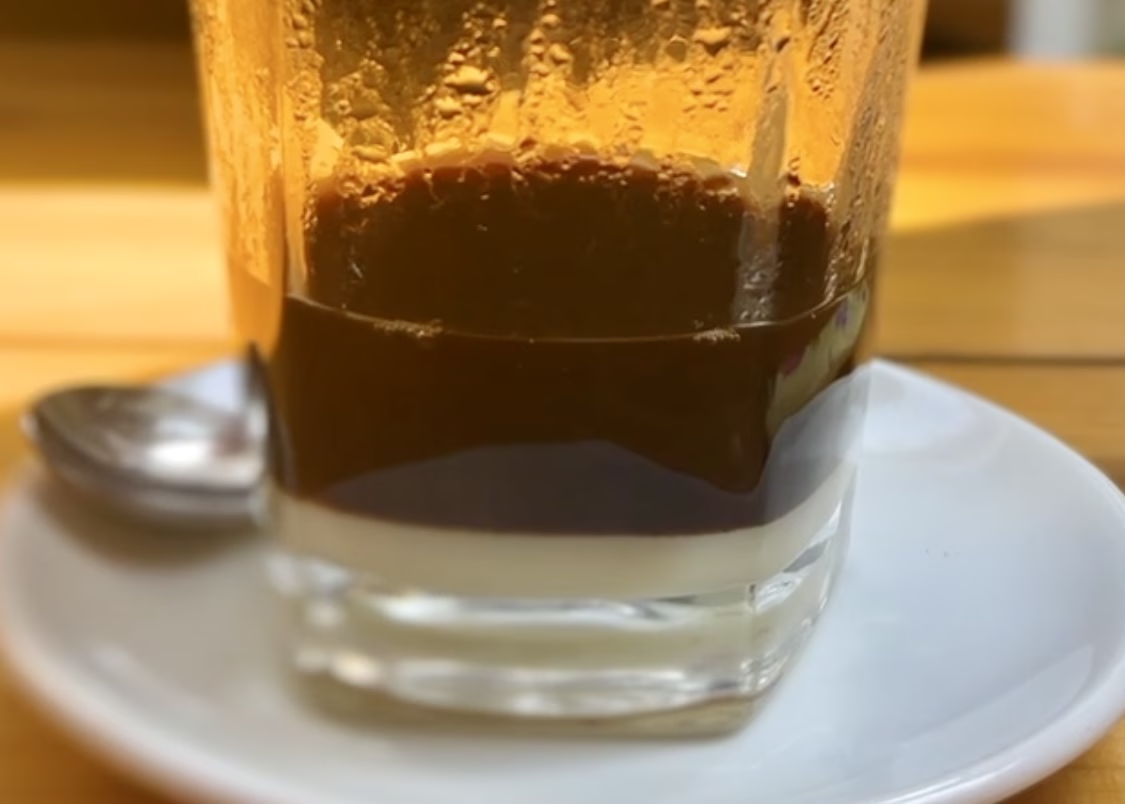
- Cà Phê Sữa (Milk Coffee): The same slow-dripped coffee as cà phê đen but served over a layer of sweetened condensed milk. Stir it up for a creamy, bittersweet balance.
- Cà Phê Sữa Đá (Iced Milk Coffee): One of Vietnam’s most famous coffee drinks. Strong, slow-dripped coffee filters into a glass of ice and condensed milk, creating the perfect blend of bitter and sweet. Originally a Saigon street staple, it’s now served everywhere from roadside stands to upscale cafés.
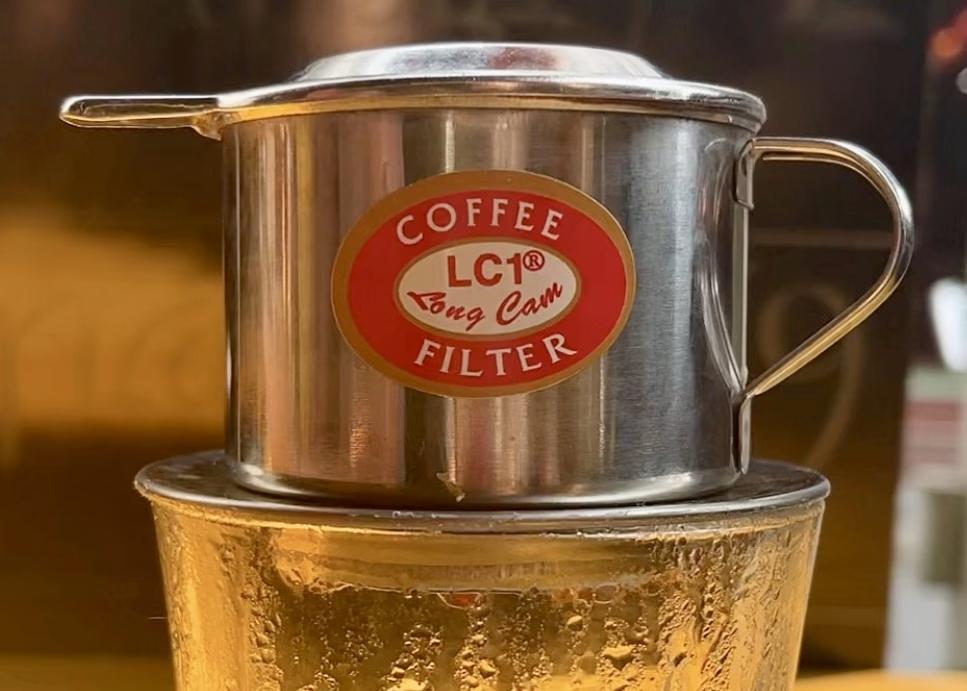
- Cà Phê Phin (Drip Filter Coffee): Brewed with a small metal filter that lets the coffee slowly drip into your cup. It’s often enjoyed black, with condensed milk, or even with ice.
Modern & Specialty Coffees
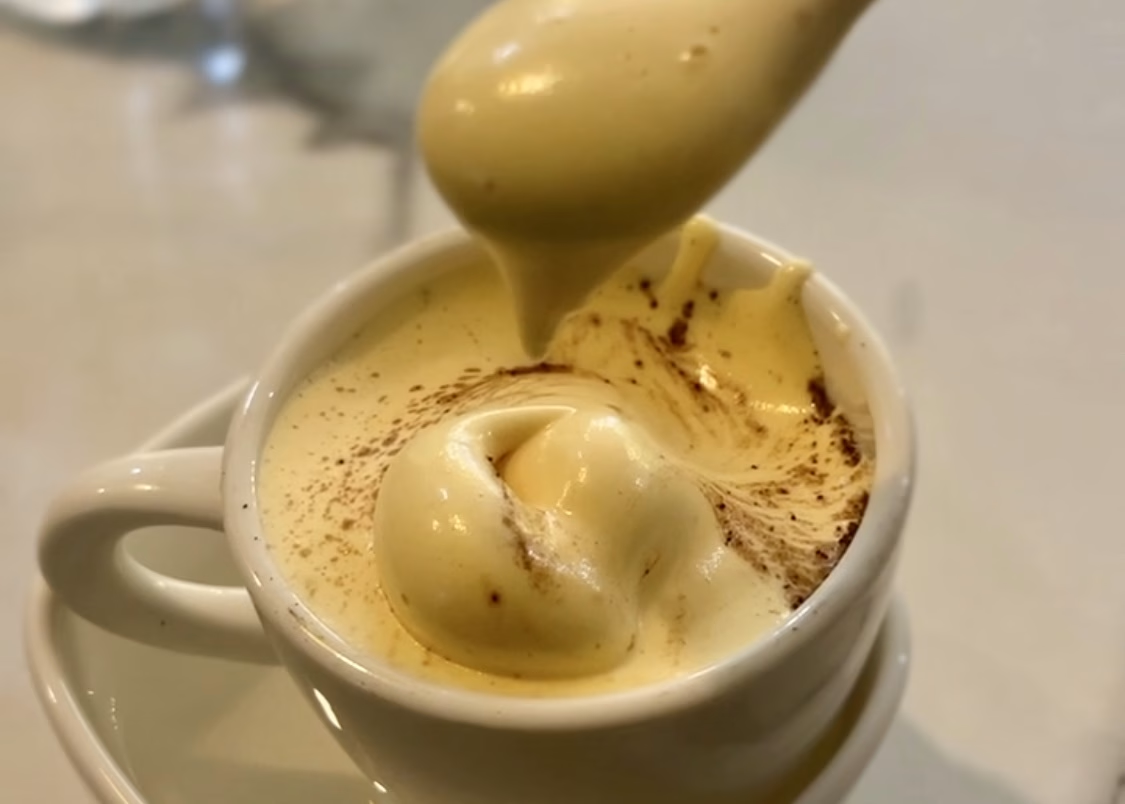
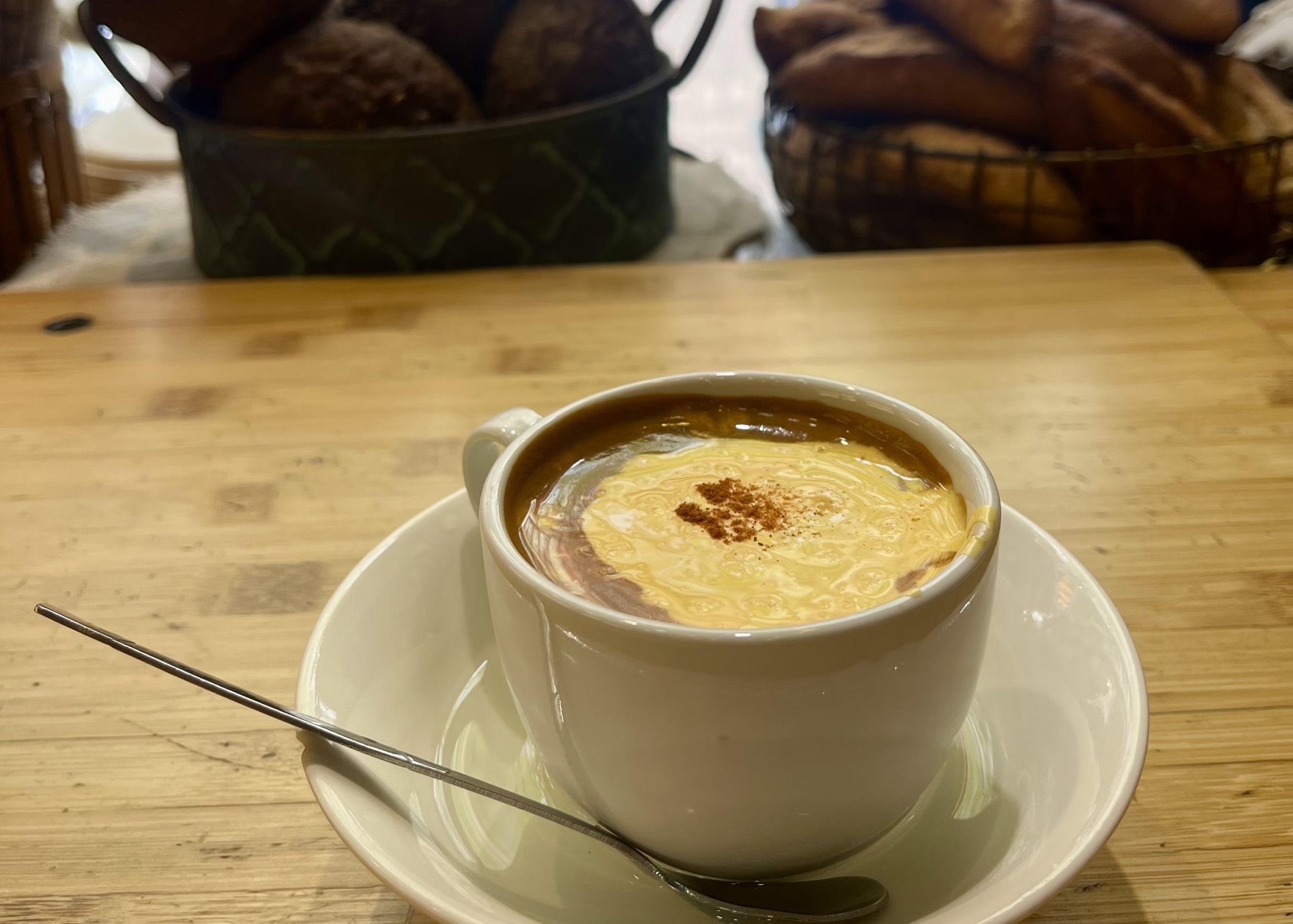
- Cà Phê Trứng (Egg Coffee): You HAVE to try egg coffee!! It’s a Hanoi classic that dates back to the post-war 1940s when milk was scarce. Egg yolks are whipped with condensed milk and sugar to create a thick, custard-like foam on top of strong coffee. Rich, creamy, and a little like liquid tiramisu.
- Cà Phê Muối (Salted Coffee): A Hue specialty with a surprising balance of flavors. A layer of salted cream sits on top of robusta coffee, mellowing its bitterness and bringing out a caramel-like sweetness. Stir it all together for a smooth, delicious drink.
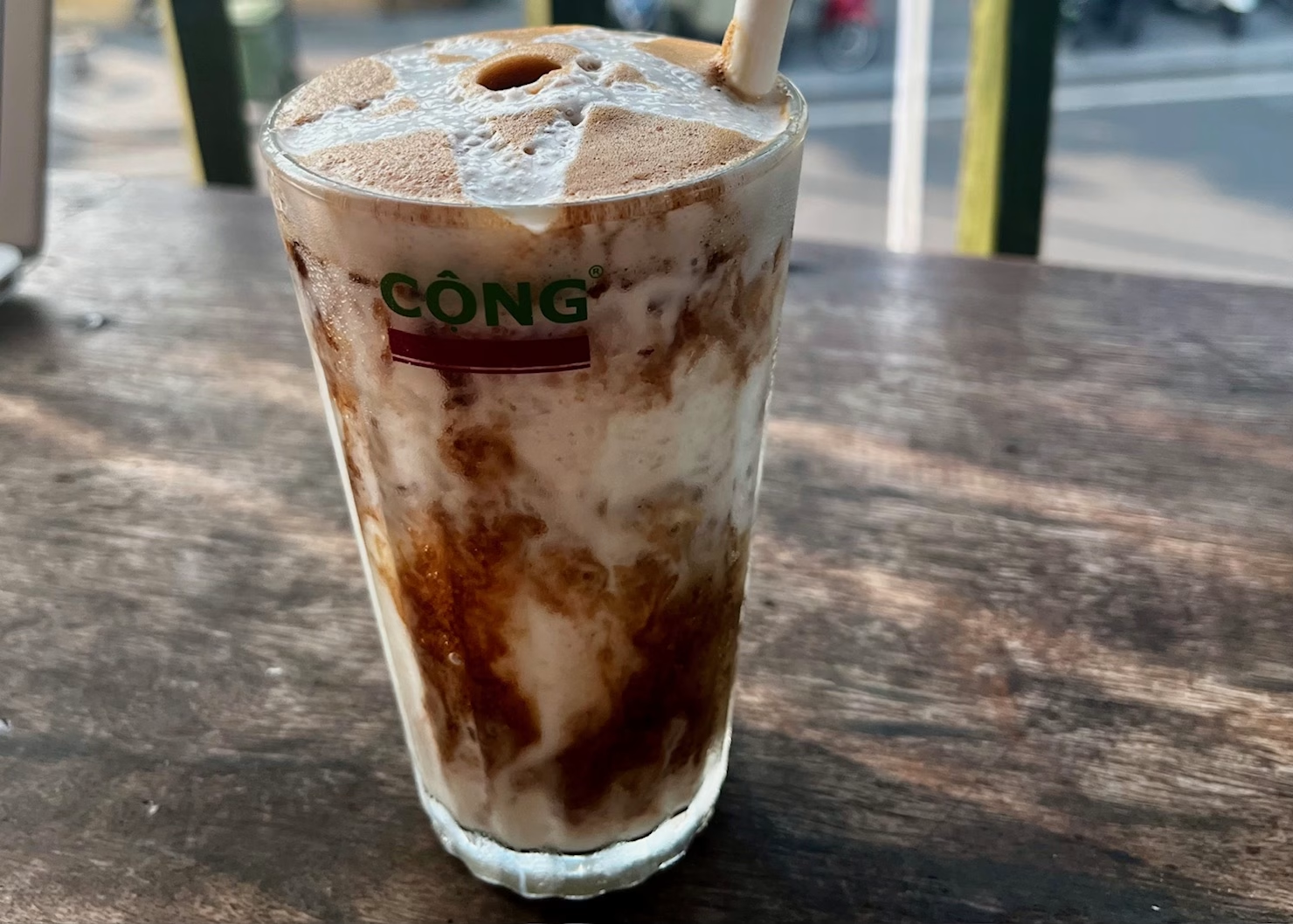
- Cà Phê Dừa (Coconut Coffee): A tropical-inspired coffee that blends rich Vietnamese coffee with coconut milk, condensed milk, and ice. It’s smooth, sweet, and almost like a coffee milkshake.
- Cà Phê Sữa Chua (Yogurt Coffee): A Hanoi favorite that combines strong coffee with tangy yogurt, sometimes with condensed milk or ice. The mix of sour, sweet, and bitter flavors makes for an unexpectedly refreshing drink. We unexpectedly loved this one too!
- (Honorable Mention) Coffee Cocktails: You can find some wacky cocktail-style coffees around Vietnam as well. We tried a sparkling berry coffee at Cafe Runam in Hanoi – so delicious, but a little (a lot) expensive at 135K VND ($5 USD).
Café Experiences Worth the Splurge: Vietnam’s Luxury & Third-Wave Coffee Scene
While Vietnam is best known for its street-side coffee culture, it’s also home to a growing scene of high-end, third-wave cafés for those who take their coffee seriously.
From beautifully designed cafés to meticulously sourced single-origin beans, Vietnam’s specialty coffee scene offers a more refined experience — without losing its local charm.
Luxury Cafés & Third-Wave Coffee Shops
In cities like Hanoi, Ho Chi Minh City, and Da Nang, high-end cafés are redefining how Vietnamese coffee is made and enjoyed.
These shops focus on high-quality arabica and robusta beans, single-origin coffees, and precise brewing methods (like siphon, AeroPress, and pour-over).
Places like The Workshop in Ho Chi Minh City and Kafeville in Hanoi are favorites among coffee aficionados looking for a balanced, nuanced cup — ideal if you’ve already had your fill of condensed-milk coffee and want something more elevated.
👉 Want to dive deeper into Vietnam’s coffee culture? Book a coffee tasting in Hanoi or try this coffee workshop in Ho Chi Minh City to learn directly from local baristas.
Kopi Luwak (Weasel Coffee) in Vietnam
One of the world’s most expensive and controversial coffees, kopi luwak (or weasel coffee in Vietnam) is made from beans that have been eaten, digested, and excreted by civets.
The fermentation process inside the civet’s digestive tract is said to make the coffee smoother and less bitter.
While traditionally foraged from wild civets, many farms now confine civets for mass production, raising ethical concerns. If you’re curious to try it, look for responsible producers that source from wild or free-range civets.
Despite the controversy, it remains a sought-after delicacy in high-end Vietnamese coffee culture.
Where to Find the Best Coffee in Vietnam
Vietnam’s coffee scene is as diverse as the country itself, with each region offering its own specialty.
Whether you’re hunting down the best egg coffee in Hanoi, sipping coconut coffee in Hoi An, or checking out the specialty coffee scene in Saigon, here’s where to go for a seriously good coffee.
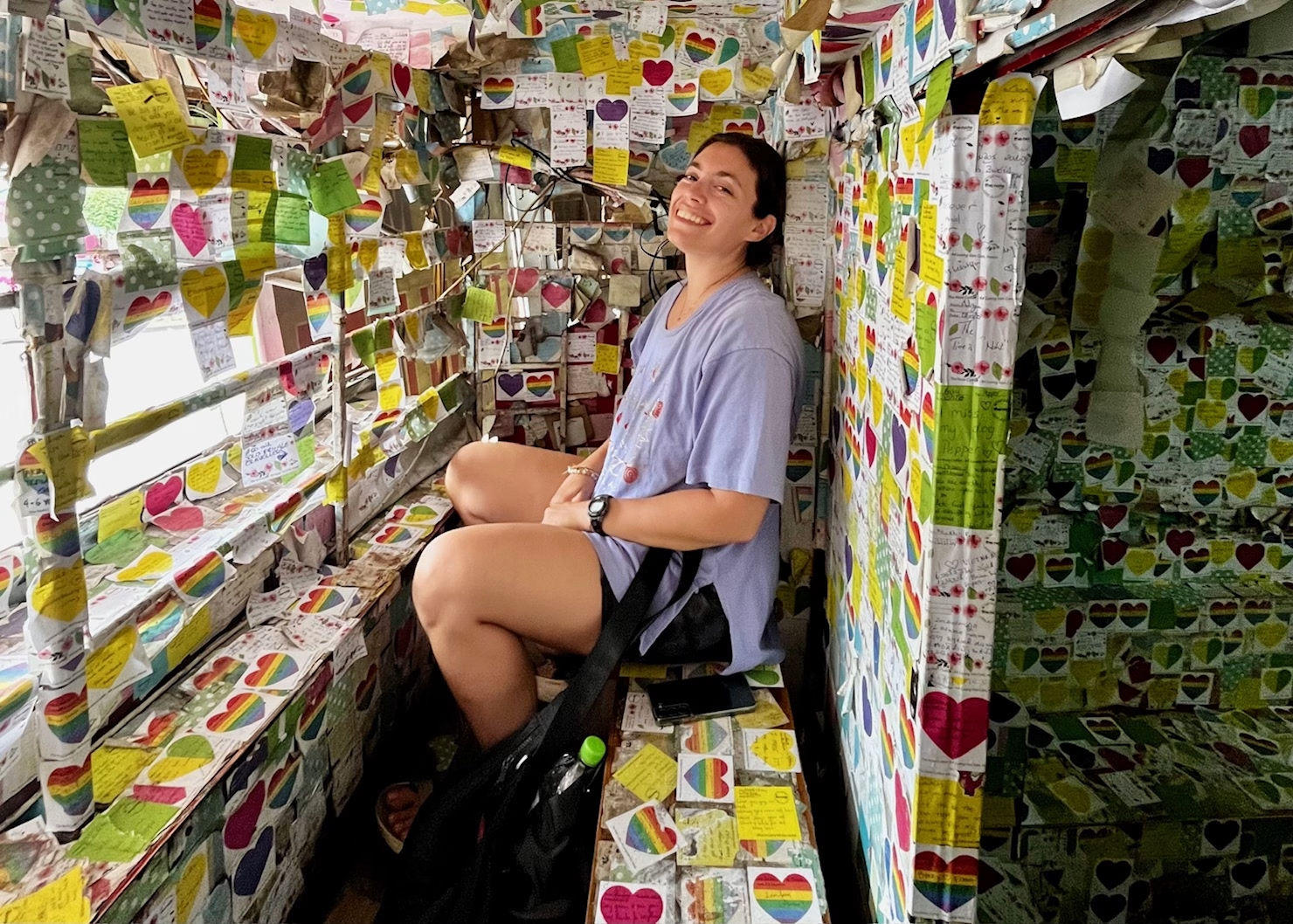
Best Coffee in Hanoi
Hanoi is where egg coffee was born, and the city is packed with hidden cafés that have been perfecting their brews for decades. You can find whatever you’re looking for here – Hanoi has it all.
👉 You can try your hand at making Vietnamese coffee with a local expert in Hanoi.
- Café Giang – The OG egg coffee spot, where this creamy, dessert-like drink was first created in the 1940s. It’s a little tucked away, but absolutely worth the hunt.
- Blackbird Coffee – A modern spot that takes its beans seriously, serving up perfectly brewed Vietnamese coffee alongside high-quality espresso drinks.
- The Note Cafe – While this isn’t our favorite coffee shop in Hanoi, it’s still worth a mention for its uniqueness. We tried the coconut coffee here and it’s definitely worth a visit just for that!
👉 Obsessed with the food scene in Hanoi? So are we! Read our post about our favorite food in Hanoi.
Best Coffee in Ninh Binh
Ninh Binh is more about nature than city life, but you’ll still find a few great spots to grab a coffee between boat rides and temple visits. The vibe here is relaxed, and so are the cafés.

- Brick Coffee Shop – A small, unpretentious café with some of the best coconut coffee in town. Perfect for chilling out after exploring Tam Coc.
- Chookies Beer Garden – More than just a beer spot, this place also serves legit Vietnamese coffee with a side of gorgeous countryside views.
👉Making your way to Ninh Binh? Find everything there is to do here + whether you should stay in Trang An (nature) or Tam Coc (town).
Best Coffee in Sapa
Sapa’s cool mountain air makes it the perfect place to slow down and enjoy a coffee with a view.
Many of the best cafés here take full advantage of the scenery, offering cozy spots to soak in the landscapes.
- The Hill Station Signature Restaurant – A laid-back café serving solid Vietnamese coffee with sweeping views of the rice terraces. Great for a quiet morning or a post-hike break.
- Cộng Cà Phê Sapa – Part of Vietnam’s well-known retro-style coffee chain, this branch has a warm, cozy vibe and serves up a killer coconut coffee.
👉 Heading to the mountains? Use this Sapa itinerary to plan your visit and find cozy cafés with incredible views along the way.
Best Coffee in Hoi An
Hoi An is the kind of place where you’ll want to linger, and its café scene makes that easy.

Whether you’re in the mood for something traditional or a modern take on Vietnamese coffee, you’ll find plenty of great options.
- Reaching Out Teahouse – A beautiful, peaceful café run by hearing-impaired staff, where you can sip slow-dripped Vietnamese coffee in a quiet courtyard. A truly unique experience.
- Rosie’s Café – A cozy, Instagram-friendly spot known for its coconut coffee and laid-back atmosphere. Perfect for a lazy afternoon.
TOP TIP: Some of these cafés serve good-looking Western food. While it’s not bad, per se, we probably should have managed our expectations – the coffee is definitely the star here.
👉 Need help planning your visit to Hoi An? Check out our 3-day itinerary for inspiration.
Best Coffee in Ho Chi Minh City
Saigon runs on coffee. This city has everything – from tiny street shops with phin (filter) coffee to high-end specialty cafés that could rival any in the world.
- The Workshop Coffee – One of the pioneers of Vietnam’s third-wave coffee scene, this place is all about expertly brewed single-origin coffee in a stylish, industrial setting.
- Vietcetera Café – A sleek, modern café that blends Vietnamese coffee traditions with specialty brewing techniques. Great for getting some work done while sipping on a quality brew.
👉 Learn about Vietnamese coffee + make your own with this coffee workshop in Ho Chi Minh City.
How Much Does Coffee Cost in Vietnam?
Coffee in Vietnam is usually super affordable, and that’s one of the things we love about it. Here’s what you can expect to pay
- Street Vendors: If you’re on the go, street-side coffee stalls are the way to go. A basic cà phê sữa (Vietnamese white coffee with condensed milk) will set you back anywhere from 15,000 to 25,000 VND. It’s not fancy, but it’s strong, sweet, and hits the spot.
- Cafés & Tourist Areas: For something a little more comfortable, like a café with air-conditioning (hello, Ninh Binh!), you can expect to pay a bit more – around 50,000 to 60,000 VND for the same drink.
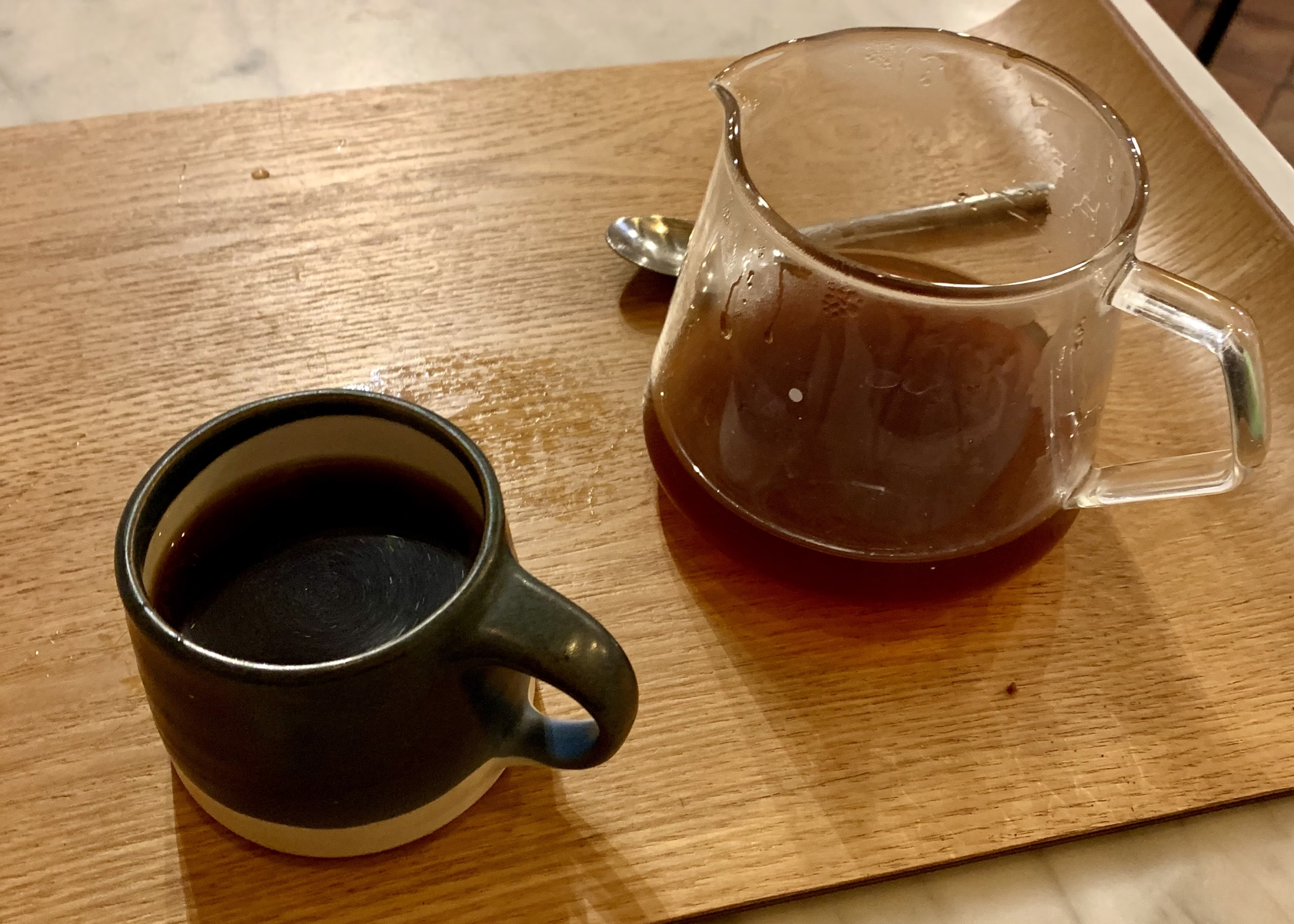
💸 Most of the time, we ended up paying around 25,000 to 30,000 VND (less than $1.50 USD) for a standard cà phê sữa.
If we splurged on something like coconut coffee or egg coffee, it’d run us a bit more – usually around 35,000 to 45,000 VND (less than $2 USD).
Coffee Tourism in Vietnam
Vietnam is one of the world’s biggest coffee producers, and if you’re a coffee lover, diving into its coffee culture is a must.
Whether it’s wandering through the coffee farms of Da Lat or getting hands-on with a tasting session in the city, there are plenty of ways to experience Vietnamese coffee beyond just drinking it.
Check out the tours available – you might even walk away with a new favorite brew!
🇱🇦 Curious about the differences in coffee culture between Vietnam and Laos, we break it down for you here.
Visiting Coffee Farms
For a more in-depth tour, you can visit plantations in Da Lat and the Central Highlands.
Vietnam’s Central Highlands are perfect for growing coffee, and if you want to see the process from bean to cup, Tam Trinh Coffee Experiences is a great place to start.
You’ll get hands-on – picking coffee cherries, checking out the roasting process, and tasting different brews. The guide has over 30 years of experience, so you’ll learn from someone who really knows their stuff.
Plus, you’ll leave with a traditional conical hat and a small gift. If you’re into coffee, this is definitely worth adding to your Da Lat itinerary!
👉 We toured a coffee plantation in Laos too and loved it! Read our post to discover how you can do the same.
Coffee Tasting Experiences in Vietnam: Learn from Local Experts
Want to learn more than just how Vietnamese coffee tastes? These guided experiences in Hanoi and Ho Chi Minh City offer the perfect mix of storytelling, brewing, and tasting.
The Best Coffee Tasting in Hanoi
Explore Hanoi’s coffee scene with a crafting workshop — a small-group tour where you get to make six iconic Vietnamese brews under the guidance of seasoned English-speaking coffee connoisseurs.
You’ll learn the stories behind them, and have the option to add-on a traditional local meal. It’s an authentic, budget-friendly way to connect with Hanoi’s coffee culture beyond the tourist trail.
🎟️ Book it: Join the Workshop in Hanoi offered on Seek Sophie →
The Best Coffee Tasting in Ho Chi Minh City
In the south, the Local-Led Coffee Workshop offers a hands-on way to explore Vietnam’s most famous brews.
You’ll taste six types of coffee — including phin, egg, and coconut — while learning how to make them yourself. Guided by passionate locals, it’s part tasting, part cultural class, and a great rainy-day activity in Ho Chi Minh City.
🎟️ Book it: Try the Local-Led Coffee Workshop in Ho Chi Minh City →
FAQs About Coffee in Vietnam
What is Vietnamese coffee made of?
Vietnamese coffee is typically brewed with robusta beans, known for their bold, high-caffeine flavor. It’s often made using a metal phin filter and sweetened with condensed milk instead of sugar.
How much does coffee cost in Vietnam?
Street-side Vietnamese coffee usually costs 15,000–30,000 VND ($0.60–$1.20 USD), while specialty cafés charge 50,000–90,000 VND ($2–$4 USD) depending on location and style.
Is Vietnamese coffee really that strong?
Yes — robusta beans contain nearly twice the caffeine of arabica. You’ll feel the kick, especially if you order it black without condensed milk.
Where can I try the best coffee in Vietnam?
Hanoi and Ho Chi Minh City have thriving coffee scenes, but smaller destinations like Da Lat and Hoi An also have excellent local roasters and cafés worth visiting.
Exploring Vietnam Beyond the Coffee Cup
If Vietnam’s coffee culture has you hooked, there’s plenty more to discover beyond the cafés. Use our detailed itineraries and regional guides to plan your next stops.
➡️ Start exploring:
- 30 Days in Vietnam – How to Spend one month exploring
- 14 Days in Vietnam – Perfect for First-Timers
- North Vietnam Itinerary – Visit Sapa, Lan Ha Bay & Beyond
- 3 days in Hoi An – Find some unique activities off the tourist trail
- Ho Chi Minh Itinerary – How to spend 24 hours
From the misty rice terraces of Sapa to the lantern-lit streets of Hoi An, Vietnam’s culture runs deeper than its coffee — and that’s saying something.
Traveling between coffee regions? Sleeper buses are one of the easiest and most affordable ways to get around Vietnam overnight.
Vietnam’s sleeper trains are a comfortable way to travel between major cities, making it easy to experience the country’s coffee culture from Hanoi to central and southern Vietnam.
