
Hmong in Sapa: A Unique Cultural Workshop You Can Do Without Trekking
Trekking may be the go-to activity in Sapa, but there’s so much more to experience here — especially if you want to connect with local culture in a more personal way.
During our visit, we discovered something special: a Hmong handicraft workshop tucked away in a small village.
Over the course of a day, we learned how to make traditional batik textiles using indigo grown right in the valley — from sketching wax patterns to setting the dye.
What made it unforgettable wasn’t just the craft itself, but the people. Our host invited us into her home, cooked lunch for us, and shared stories of what it means to be Hmong in modern Sapa.
This workshop isn’t in any tourist brochure or tour office in town — which makes it all the more meaningful.
In this guide, we’ll share exactly what the experience was like, how to book it yourself, and why it was our favorite thing to do in Sapa — no hiking boots required.
If you’ve ever dreamed of experiencing authentic Hmong culture without joining a crowded trekking group, this workshop is the perfect way to do it — and yes, you can book the exact experience we did here.
DISCLOSURE: This post may contain affiliate links, which means we may earn a small commission if you book or buy something through them – at no extra cost to you. We only recommend things we’d actually use ourselves. Read more in our Privacy Policy.
Our Hmong Workshop Experience in Sapa
We didn’t even know a Hmong handicraft workshop was an option until we arrived at our homestay near Sapa, a small village about 20 minutes outside of town.
Even then, we had no idea which traditional Hmong craft we’d be learning until we got there! It turned out to be one of our favorite experiences in Vietnam — and we even left with a handmade indigo batik souvenir.
Here’s how the experience went, how to book it, and how you can do it too.
How to Book the Hmong Workshop in Sapa
We had no idea that you can book the exact Hmong cultural workshop we did online before arriving in Sapa.
After signing up through Mekhoo & Zizi, we were thrilled to realize the village was located within walking distance of our homestay.
Seek Sophie offer the same experience we did, and it’s super easy to book online.
The workshop is hosted directly by local Hmong families in Hau Thao Village, and includes all materials, a home-cooked lunch, and transportation.
👉 Book the same Hmong handicraft experience here to support local artisans and skip the trekking crowds.
TOP TIP: Our homestay was one of the most affordable places we stayed during our four-month trip across Southeast Asia – only $3.60 USD per night for a private room!

Getting to the Hmong Village
On the morning of the workshop, a local villager who spoke English met us at the homestay — she would serve as our translator for the day.
After introductions, we began a short 10–15 minute uphill walk to the village where the Hmong handicraft class was held. It was steep but the views of the Muong Hoa Valley were breathtaking.
Once on flat ground, we passed through the outdoor courtyards of several Hmong homes before arriving at our host’s house.
👉 Want more amazing experiences like this one? These are our absolute favorite places and experiences in Vietnam.
Inside the Hmong Home
The workshop took place in a simple yet charming wooden home perched above the rice terraces. We were lucky to have clear weather — the view of the terraced fields in Sapa was stunning.
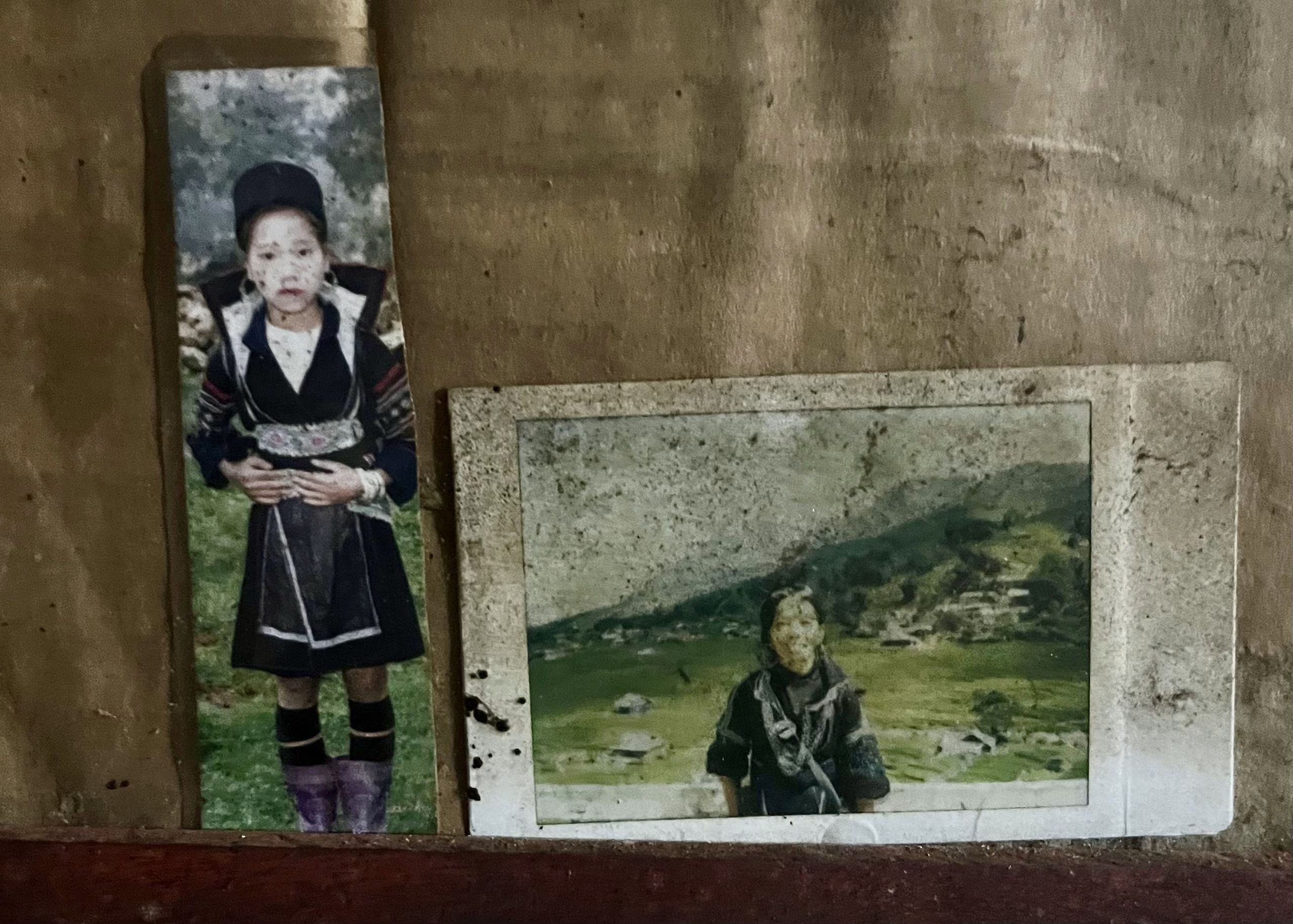
Our host was a young Hmong woman whose family mainly farms rice, a livelihood that sustains them but offers little income.
Her daughter sells handmade Hmong textiles in Sapa Town, just like many other women in the community.
💙 Staying with a local family is one of the most rewarding ways to experience Sapa. These are our favorite homestays + what makes each one special.
Making the Batik Patterns
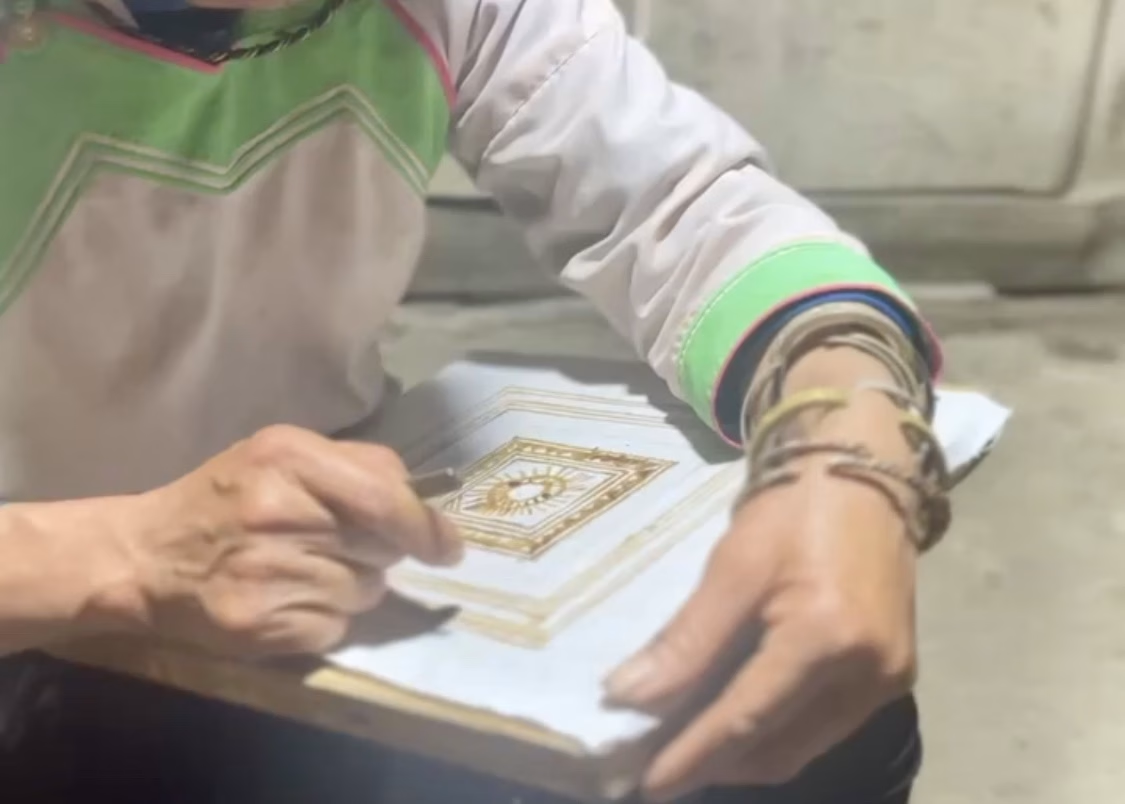
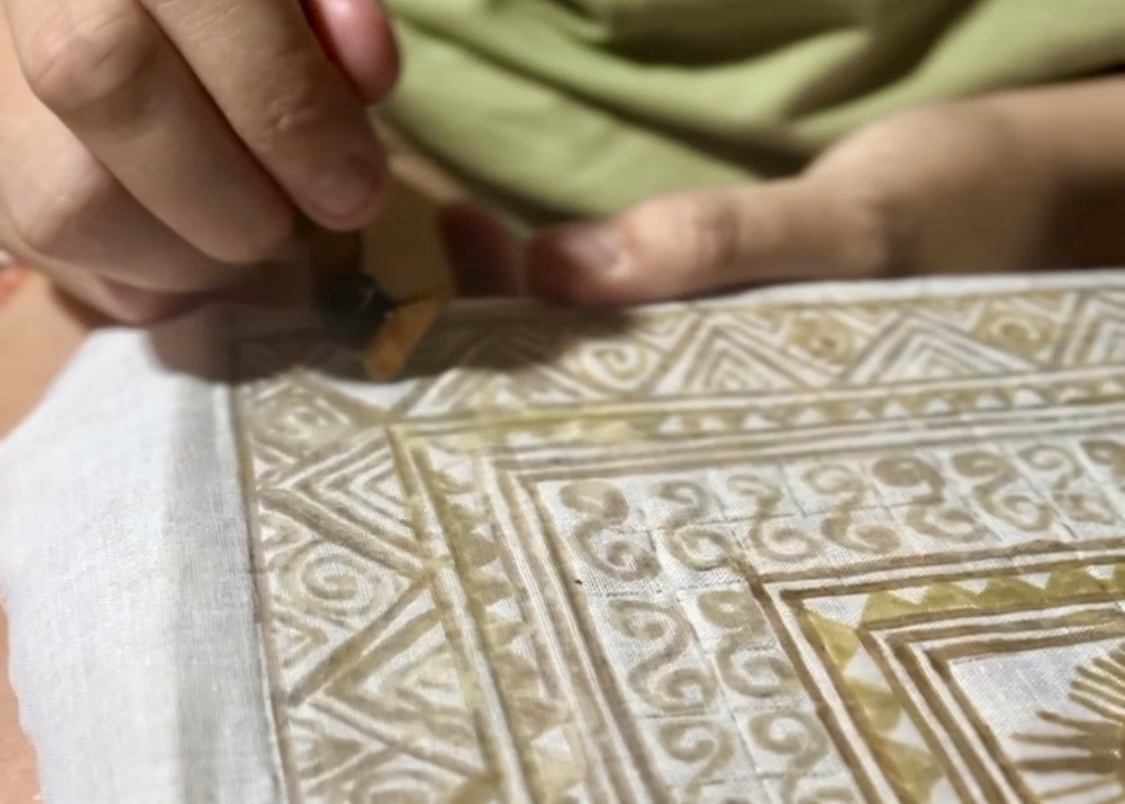
The workshop began with an introduction to the tools and wax-resist batik technique the Hmong use to decorate hemp fabric.
After watching a demonstration, we were given our own fabric and tools to try it ourselves. For over an hour, we drew small geometric patterns and swirls, working carefully from the center outward.
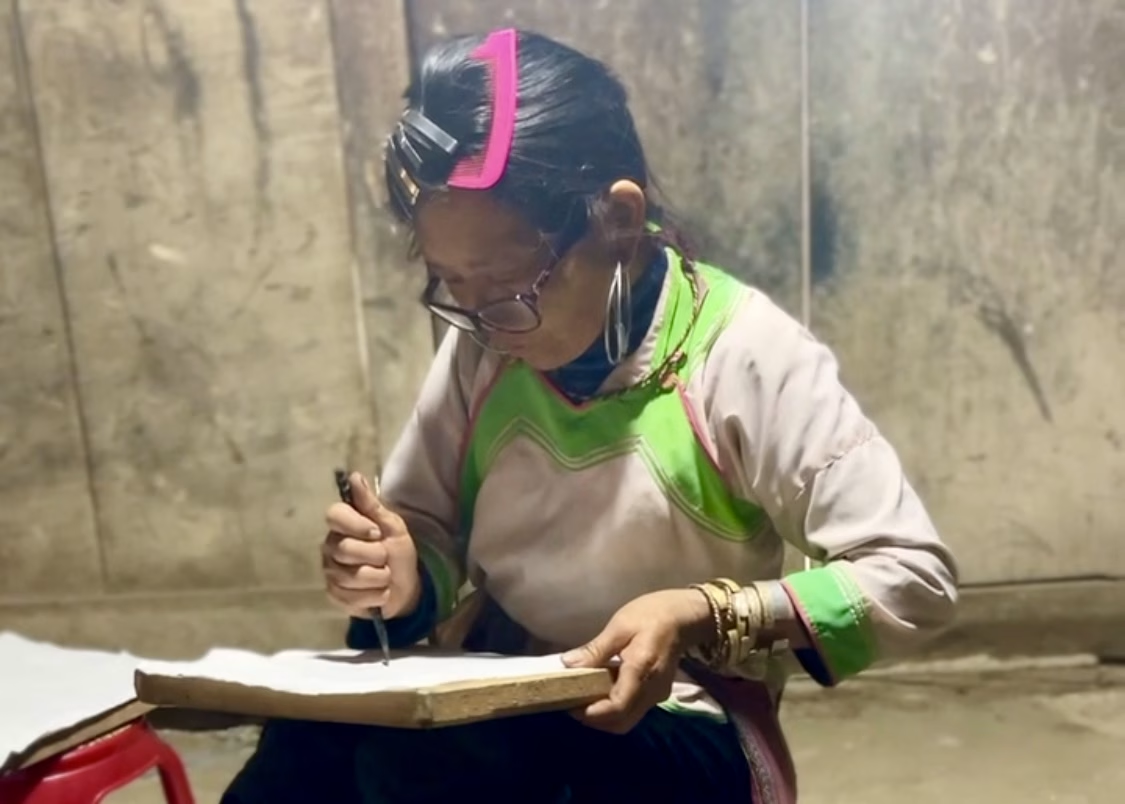
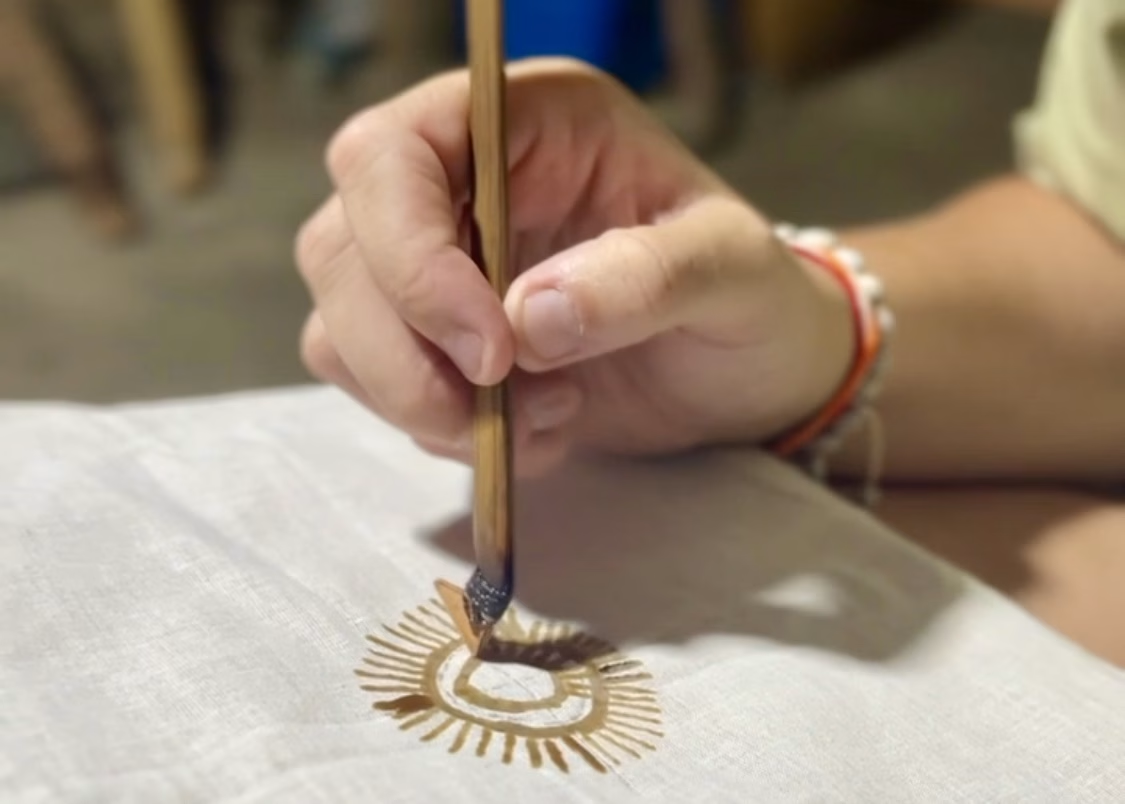
Our host was patient and encouraging — she often laughed with us when our designs went crooked, and helped us fix them so our final batik still looked beautiful.
🟢 Don’t miss out – You can book your Hmong batik workshop here
Dyeing the Fabric with Indigo
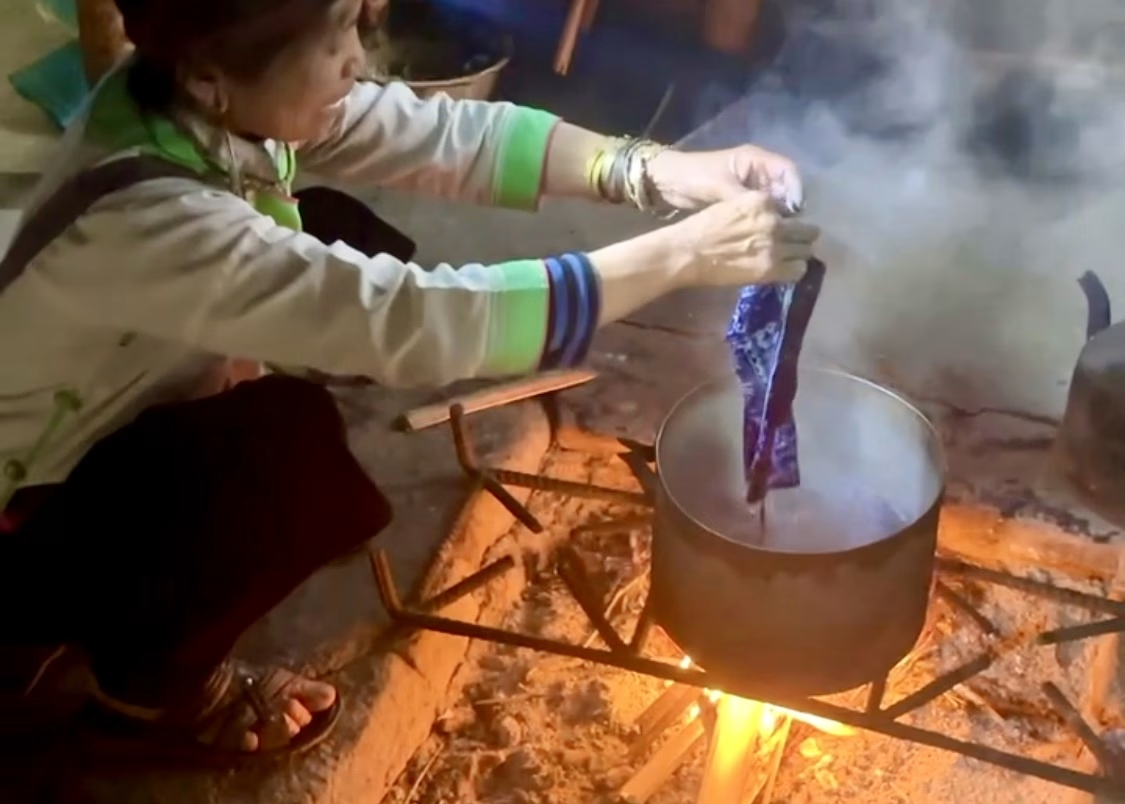
When our designs were finished, it was time to dye them using natural indigo dye. Outside, a large clay vat of indigo sat waiting.
Our translator explained how preparing indigo is a labor-intensive process — leaves must be harvested, fermented, and stirred for days to achieve the deep blue color.
A new batch is made only once per season and used for months.

We dipped our batik pieces into the vat, watching them turn from greenish-blue to deep indigo as they oxidized in the air — pure magic.
🟢 Don’t miss out – You can book your Hmong batik workshop here
Exploring the Garden and Indigo Process
While our batik pieces dried in the sun, our host led us through her family’s garden, where the indigo plants grow.

Our translator explained how the leaves are harvested and fermented to make the rich dye used in traditional Hmong clothing. Each family’s garments have slightly different motifs and shades of blue, reflecting their clan and identity.
We also had a chance to spin hemp fibers into thread — another step in the process of creating Hmong textiles from scratch.
Sharing a Hmong-Style Lunch
Lunch was one of the day’s highlights! The spread was generous and featured local dishes like Hmong egg rolls, Hmong sausage, and fresh vegetables from the garden.

What we loved most about the experience was that the workshop fee didn’t just cover our lunch, but also provided food for anyone who stopped by the house.
What made it special was the community feel — the meal wasn’t just for us. Children and neighbors dropped by throughout lunch, and everyone was offered food.
It truly captured the hospitality of Hmong culture.
Finishing the Workshop
After lunch, we returned to the fire to finish drying our batik pieces. Once our host was happy with the results, we thanked her and our translator, and began the walk back down the mountain.
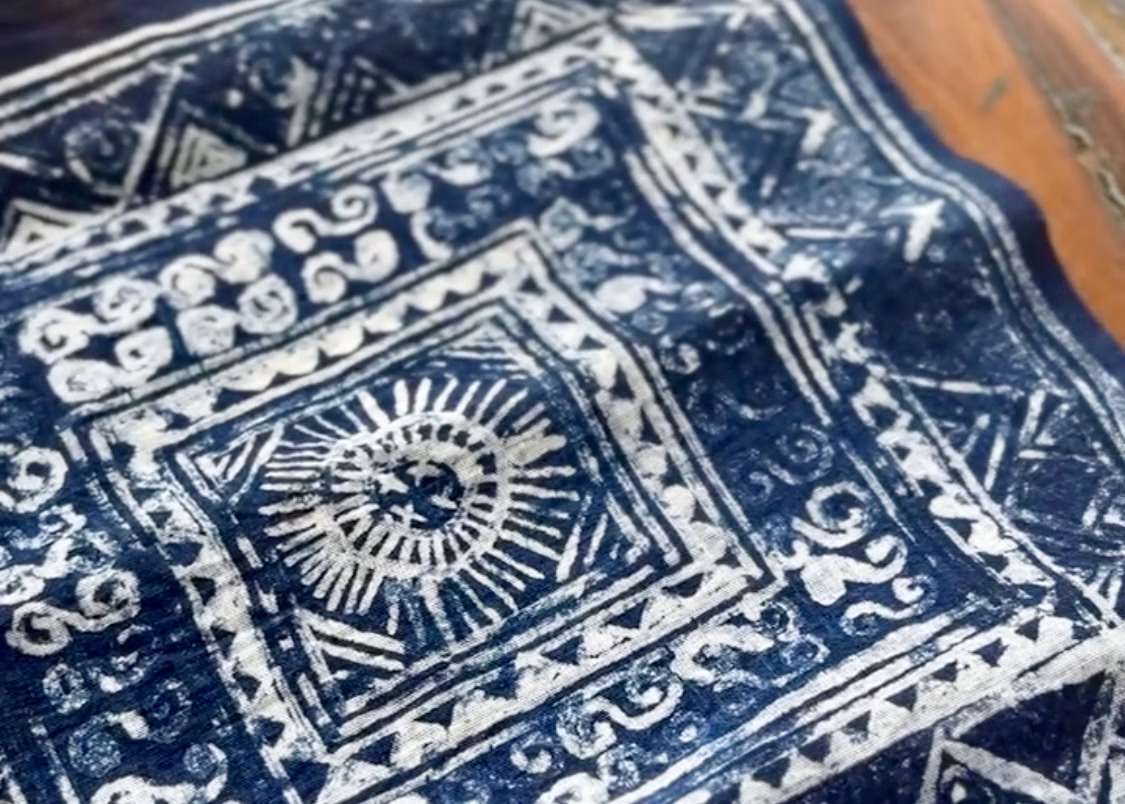
The workshop cost about $35 USD per person (price gets cheaper per person the bigger the group) — worth every penny for such a meaningful day.
🟢 Book the Hmong Handicraft Workshop Here
TOP TIP: Bring enough cash to tip your host and translator — they provide incredible service. You can also buy handmade Hmong crafts in the home, with all proceeds going directly to the artisans. We bought beautiful handwoven headbands and wished we’d brought more cash.
Planning Your Trip to Sapa
If you’re planning to visit Sapa in Northern Vietnam, there are a few ways to get there depending on your budget and starting point. Here’s what to know before you go.
Train from Hanoi to Sapa – Treat Yourself to Luxury
You can travel by train from Hanoi to Lao Cai, a town about an hour from Sapa.
While there isn’t a direct train to Sapa itself, the overnight train to Lao Cai is a favorite for travelers who want a comfortable, scenic, and affordable ride.
Once you arrive in Lao Cai, it’s easy to catch a local bus or shared van for the final hour up to Sapa. Trains typically depart Hanoi in the evening and arrive early the next morning.
Because this route is popular, it’s best to book in advance if you want a sleeper cabin.
👉 Next time we want to take the Premium Overnight Train to Sapa. Check it out here if you’re interested.
Bus from Hanoi to Sapa – Our Budget Travel Pick
The most budget-friendly and direct option is the bus from Hanoi to Sapa.
Sleeper buses leave several times daily, taking around 6–7 hours. We recommend choosing a sleeper bus so you can lie down and arrive rested.
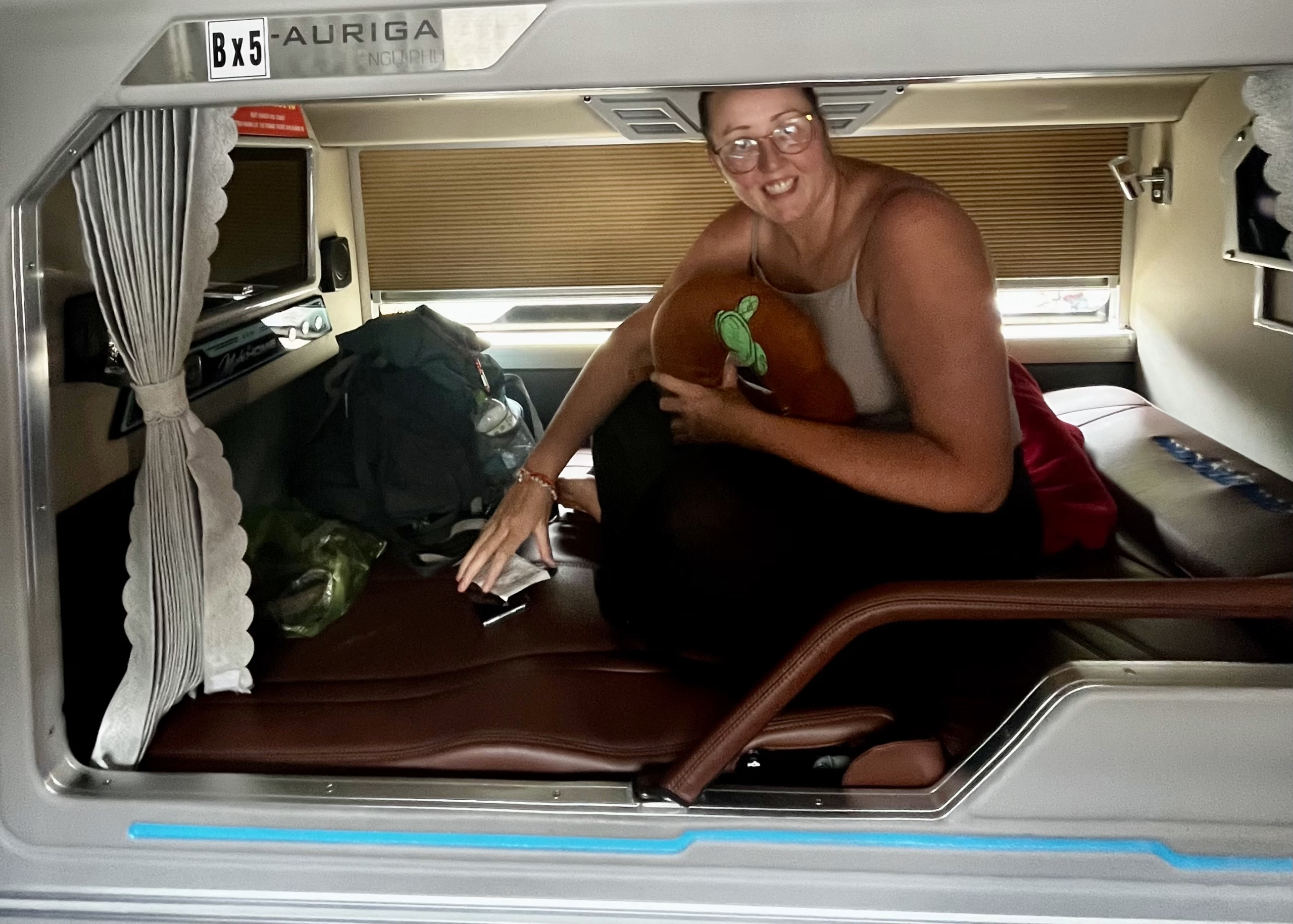
Unlike the train, the bus drops you right in Sapa Town — no transfers needed.
👉 If you’re coming from Hanoi, this is how to spend three days in the city + the best neighborhoods to stay in Hanoi before heading to Sapa.
TOP TIP: The road is winding, so if you’re prone to motion sickness, take medication about an hour before departure.
Bus from HaLong Bay to Sapa
If you’re continuing your trip from HaLong Bay, you can also take a direct bus to Sapa.
The journey takes about 9–10 hours, with several companies offering options from basic to luxury sleeper buses.
We took this route in reverse from Sapa to Cat Ba — long but scenic! We had a short layover in Hanoi for coffee and breakfast before continuing on.
📌 Tackling Vietnam’s Overnight Transit System? Get all the need-to-know details of traveling on Vietnam’s sleeper buses and sleeper trains.
FAQs for Travel to Sapa
Is Sapa worth visiting without trekking?
Yes, Sapa is absolutely worth visiting even if you don’t want to trek.
You can join cultural experiences like a Hmong handicraft workshop in Hau Thao Village, and enjoy the mountain views without doing strenuous hikes.
How do I get to Sapa from Hanoi?
The easiest ways to reach Sapa from Hanoi are by sleeper bus (6–7 hours, direct) or overnight train to Lao Cai (8–9 hours, then 1-hour bus to Sapa). The bus is faster, while the train offers a more scenic experience.
What is the best time to visit Sapa?
The best time to visit Sapa is from September to November and March to May. These months have cooler, drier weather and clear views of the famous Sapa rice terraces.
How many days should I spend in Sapa?
Plan to spend at least 3 days in Sapa — enough time to explore the town, ride the Fansipan Cable Car, and visit Hmong villages for authentic cultural experiences.
What are some non-trekking things to do in Sapa?
Non-trekking travelers can enjoy a Hmong batik workshop, visit Fansipan, explore Sapa markets, and relax in a mountain-view homestay surrounded by rice terraces.
How much does the Hmong workshop in Sapa cost?
The Hmong handicraft workshop in Hau Thao Village costs around $35 USD per person, including all materials, lunch, and a translator. Prices may be lower for groups.
Planning More of Your Vietnam Trip?
If you’re planning to explore more of the region, check out our other guides:
- Our 3-Day Sapa Itinerary — How to plan the perfect slow-travel experience in Sapa.
- Our North Vietnam Itinerary — From Hanoi to Ninh Binh, the best places to experience Vietnam’s mountain culture.
Both itineraries include ideas for non-trekking travelers and practical tips for getting around Northern Vietnam.
You can also follow our two week Vietnam itinerary, or extend your trip and spend a whole month traveling around Vietnam.
If you’re heading to Ninh Binh after Sapa, this is everything you need to know:
- Things to do in Ninh Binh – Limestone peaks, river boat rides, and quiet countryside make Ninh Binh one of the most scenic stops in northern Vietnam.
- Should you Stay in Trang An or Tam Coc? – Both are beautiful, but they offer slightly different experiences. This guide helps you choose which area is the better base.
- A Self-Guided Bicycle Tour in Tam Coc – Cycling through rice fields and karst mountains is one of the best ways to explore the Ninh Binh countryside.
- Our Fav Restaurants in Tam Coc – After a day of exploring, these are the spots worth seeking out for local dishes and relaxed cafés.
