
Is Pai Worth Visiting? Where We’d Go Instead
Pai is known for its hippie vibe, scooter-filled streets, and mountain charm — but is it really worth visiting? Honestly, it depends on your travel style and what kind of experience you’re after.
We’re not here to bash Pai (tourism keeps this small town going), but we are here to share what it’s really like — the good, the not-so-great, and what to expect if you go.
In this post, we’ll give you our honest take on Pai, what makes it popular, and a couple of fantastic alternatives — like Chiang Dao and Chiang Rai — that might suit your vibe even better.
DISCLOSURE: This post may contain affiliate links, which means we may earn a small commission if you book or buy something through them – at no extra cost to you. We only recommend things we’d actually use ourselves. Read more in our Privacy Policy.
Is Pai Worth Visiting?
For years now, Pai has been on the radar of most backpackers traveling in Southeast Asia. There are plenty of reasons why – the tiny town is filled to the brim with natural wonders, great food, and friendly locals.
However, so are other places in Northern Thailand!
While Pai is popular for a reason, other places in the region are perhaps a little less crowded with backpackers, providing greater opportunities to explore lesser known towns.
Is Pai worth it if as the years go by, it becomes more of a tourist hotspot? It depends what you like!
For us personally, we don’t enjoy a huge party scene when traveling and try to be conscious of the mark we leave on a place. As more digital nomads land in Pai, gentrification is inevitably impacting the area.
We won’t say don’t visit Pai. But if Pai isn’t on your absolutely must-visit list, it’s worth considering the alternatives to spread the tourism dollars and impact!
👉 For more hot-takes from our time in Thailand, read the places we recommend visiting (and the ones to skip).
Things to Do in Pai (or What You Should Do Instead)
Surround Yourself with Nature
Pai: Pai Canyon
The majestic canyon is a popular sunset spot in Pai (expect crowds). Take some time exploring every crevice of this beautiful natural wonder.
Alternatives to Pai Canyon
Chiang Dao: Doi Luang Chiang Dao
Thailand’s third tallest peak! You can book a tour at the park office, but make sure you do this at least one day in advance to ensure availability. A guide will cost around 1000 baht ($28USD).
👉 You can also book a tour in advance. We recommend this tour.
Chiang Rai: Phu Chi Fa Forest Park
On the border of Thailand and Laos, the park offers many trails and magnificent viewpoints for both sunrise and sunset.
If you feel confident enough, hire a motorbike to make the most of your visit and explore the forest park.
Eat Local Cuisine
Pai: Pai Walking Street
There’s plenty on offer here – decent food, local crafts, and a variety of souvenirs (aimed at Western tourists) for people back home.
🤔 Still deciding where to spend your time in Northern Thailand? Our Chiang Mai vs Chiang Rai guide breaks down the vibe, highlights, and who each destination is best for so you can choose the one that fits your trip.
Alternatives to Pai Walking Street
Chiang Dao: Chiang Dao Night Market and Walking Street
Thursday evenings in Chiang Dao mean pedestrian-only streets, night market food stalls, and local goods sold at very affordable prices.
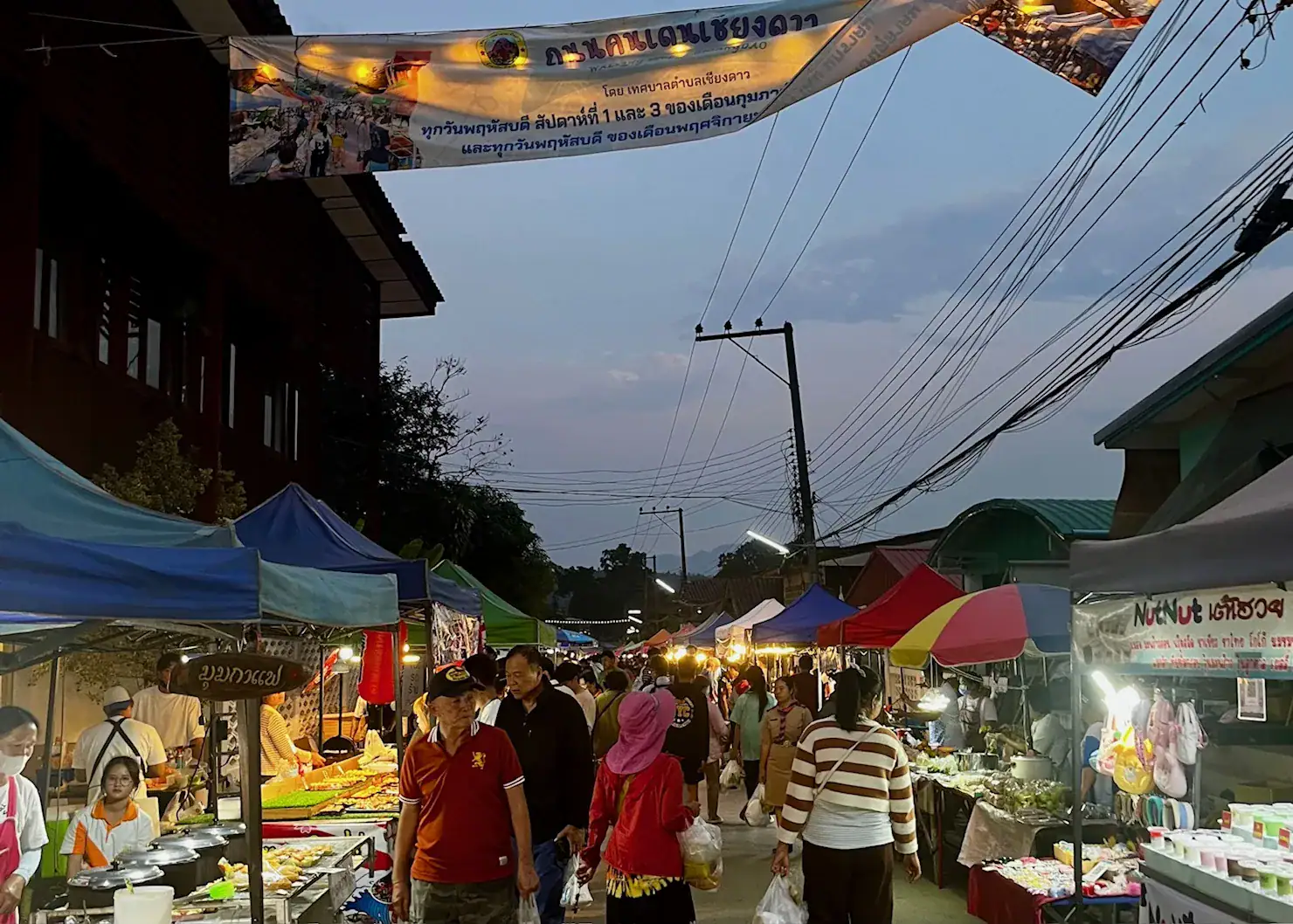
We sampled everything from Thai corn dogs, to pad thai, to taro milk tea at the market. Look out for stalls with second-hand clothing and local art as well.
Chiang Rai: Chiang Rai Night Bazaar
Spread across a vast space, you can find local crafts and an impressive food court with a great variety at the night bazaar.
For the best deal, try the hot pot and make sure to leave room for a delicious waffle for dessert.
Swim in a Hot Spring
Pai: Sai Ngam Hot Spring
A scenic drive from Pai, this hot spring is very popular (and busy) with locals and tourists alike. Relax in nature and absorb all the benefits of the fresh mineral-rich waters.
Alternatives to Sai Ngam Hot Spring
Chiang Dao: Pong Arng Hot Spring
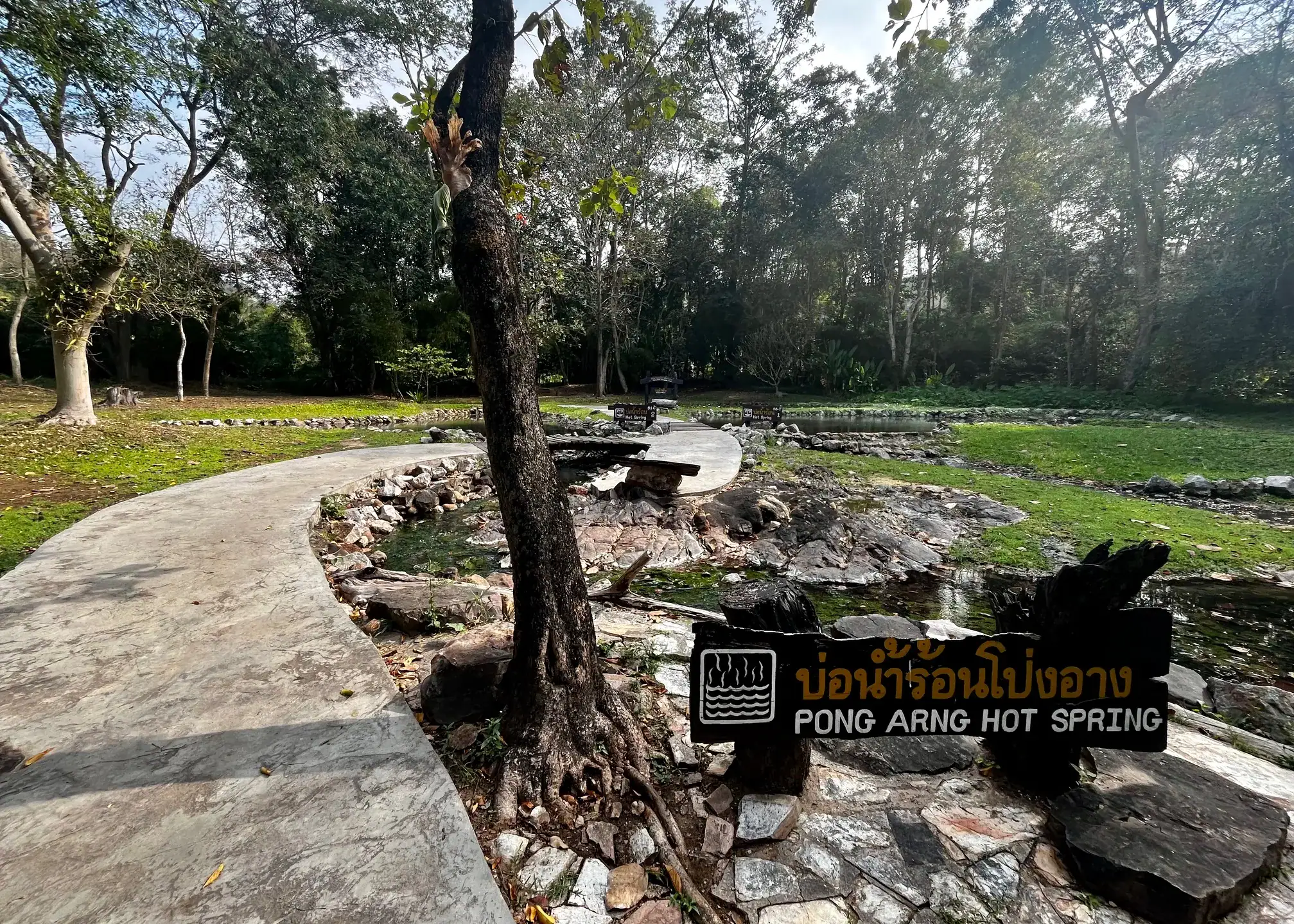
Located about a 30 minute drive outside of Chiang Dao, Pong Arng Hot Spring is set within a National Park area.
There are multiple pools of varying temperatures, restrooms, and changing facilities within the park and the 100 baht ($2.70USD) ticket fee also includes entrance to Sri Sangwan Waterfall up the road.
Chiang Rai: Pong Phrabat Hot Spring
It is concreted and tiled, but don’t let that put you off visiting. Although not the most scenic, expect a cheap, fun experience, not too far from the center.
Explore a Natural Wonder
Pai: Mo Paeng Waterfall
If you’re looking to swim, be sure to visit in the rainy season. Otherwise, the waterfall is beautiful year round with trails to take a stroll on.
Should you visit, be mindful of your impact and take any trash with you – in recent times waste has polluted the waters.
Alternatives to Mo Paeng Waterfall
Chiang Dao: Chiang Dao Cave

Wat Tham Chaing Dao, commonly called Chiang Dao Cave, is housed deep within a cave in the mountains that surround Chiang Dao.
The striking blue fish pond outside the temple bordered by colorful prayer clothes make for a magical experience.
Chiang Rai: Khun Korn Waterfall
If you do have a motorbike, or are willing to pay for a tuk tuk, don’t miss Khun Korn waterfall. The drive is scenic in parts, and the hike is varied and picturesque.
Discover Ancient Temples
Pai: Wat Phra That Mae Yen
Like many places across Thailand, Pai has its own white Buddha statue. Although it’s a climb to the top, the temple offers panoramic views, making it worth your while.
Alternatives to Wat Phra That Mae Yen
Chiang Dao: Wat Mae End
Wat Mae Ead is a beautiful temple that depicts the Buddhist version of purgatory. Wander around the grounds admiring the art, statues, and mountain views in one of the most unique temples in Thailand.
Chiang Rai: Wat Rong Khun (The White Temple)

Potentially the most famous temple in Thailand, if not the world. It’s certainly one to remember, with plenty of photo opportunities and very impressive architectural features.
How to Get to Chiang Dao from Chiang Mai
The bus from Chiang Mai to Chiang Dao is very easy and only takes around one hour.
You will take the bus terminating in Thaton/Fang from the Chang Phuak bus station, which is just north of the Old City.
The buses should run from 6am to around 7:30pm daily (but always check with the bus station) and will depart about every half an hour. We paid 70 baht ($2USD) each.
🍜 If you decide to base yourself in Chiang Mai instead of Pai, taking a Thai cooking class is one of the best experiences in the city. Read our full review of Grandma’s Home Cooking School to see what the day is like and whether it’s worth adding to your trip.
How to Get to Chiang Rai from Chiang Mai or Chiang Dao
Chiang Mai to Chiang Rai
There are regular buses running between Chiang Mai and Chiang Rai throughout the day.
The journey takes approximately 3 to 4 hours, depending on the type of bus and traffic conditions. Buses depart from Chiang Mai Bus Terminal.
🚌 Starting your Northern Thailand trip in Bangkok? Our Bangkok to Chiang Mai travel guide breaks down the best ways to get there.
Chiang Dao to Chiang Rai
There is no direct transport between Chiang Dao and Chiang Rai. You will need to take a bus to Chiang Mai first, then on to Chiang Rai.
TOP TIP: If you’re heading to Chiang Rai after Chiang Dao, consider taking a long boat from Tha Ton (at the Myanmar border) as an alternative to the bus. The scenery has to be seen to be believed!
Where to Stay in Chiang Dao
For a small town, Chiang Dao offers visitors a variety of accommodation options. You can choose to stay in the town itself, or take your pick of the many eco-hotels and guesthouses near Chiang Dao cave.
Budget Option
Chiang Dao Hostel: A clean, friendly hostel right in town. Even the private rooms come close in price to a dorm bed if you’re sharing, making it a smart choice for travelers on a budget.
Midrange Option
Bougain Villas: Set amongst fields and farmland, enjoy room service and a great pool, all with an INSANE view of Doi Chiang Dao.
Fancy Option
The View Chiang Dao: A small, modern hotel with a pool and sleek design. Rooms are comfortable, airy, and come with stunning views of Doi Chiang Dao (the tallest mountain in Thailand).
It’s the perfect spot if you want a polished, fuss-free stay in town without losing that connection to the surrounding mountains.
📌 You can find all of our top picks for where to stay in Chiang Dao here. We break down our favorite hostels, guesthouses, and hotels by area and budget.
Where to Stay in Chiang Rai
Budget Option

We stayed here! There are plenty of toilets and showers to use and the beds are super spacious. Lots of airy common areas to relax with a book (including a beautiful garden) or chat to new people.
Midrange Option
A few miles out of the center, but tuk tuks are cheap! The owners are very hospitable and provide a tasty breakfast.
Fancy Option
A hotel with clean, big rooms and bathrooms. Just a short walk from the center, Le Patta offers luxury services for a very reasonable price.
Final Thoughts – Pai, Chiang Dao or Chiang Rai?
Choosing between Pai, Chiang Dao, and Chiang Rai depends on your interests and what kind of experience you’re seeking.
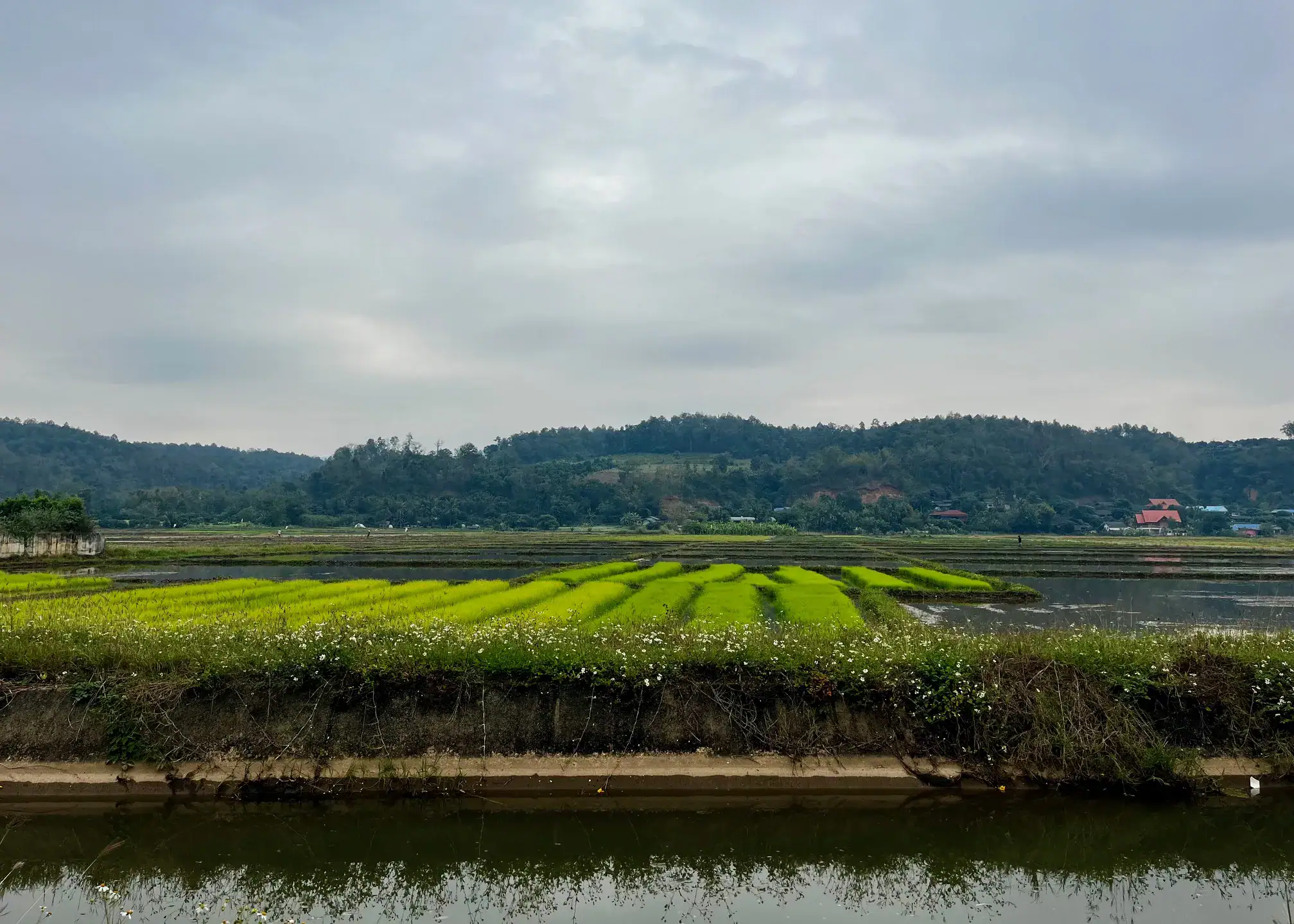
If you’re interested in exploring quieter, less touristy destinations, Chiang Dao is a good fit. It’s famous for its impressive caves, and offers opportunities for soaking in hot springs or hiking in the mountains.
Chiang Rai is ideal for those interested in exploring temples, museums, and experiencing local Northern Thai culture – including some incredible markets and food!
The best way to decide if Pai is worth a visit, is to go to all three towns – what’s stopping you!
But if you’re looking to travel more sustainably and lessen your tourism impact, try Chiang Dao for the hidden gem feel or Chiang Rai for the unique temples – we promise you won’t regret a visit to either!
